
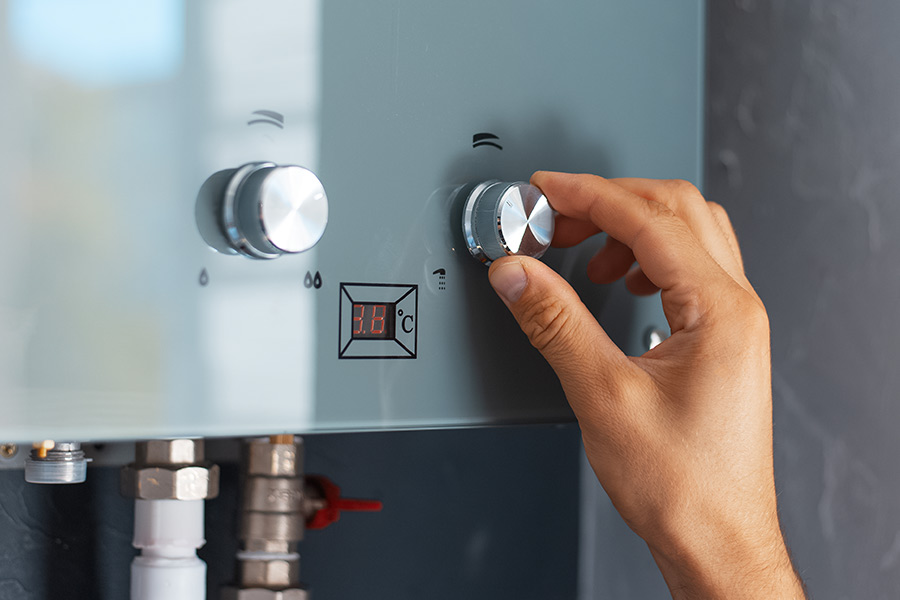
Did you know that water heating can account for up to 18% of your home’s energy use? Switching to an energy-efficient water heater could remove a sizable chunk from your monthly utility bill. But it’s not just about the money you’ll save. Let’s not forget the environmental benefits that come with this choice. It’s a win-win situation that warrants your consideration. Would you like to know more about how making this switch could benefit you in the long run?
Understanding Energy Efficiency
To truly grasp the benefits of energy-efficient water heaters, you must first understand what energy efficiency means and how it impacts your daily life and expenses. Energy efficiency is using less energy to perform the same task. It’s about maximizing the output for each unit of energy consumed. It’s not about compromising on your needs or comfort; it’s about intelligent design and usage that curbs waste and optimizes performance.
Why does this matter to you? If you’re using an energy-efficient appliance, like a water heater, it means it’s designed to provide the hot water you need while using less energy. That’s good news for the environment, as it reduces the demand for energy production and, consequently, the emissions associated with it.
This doesn’t just help combat climate change – a noble goal in itself – but also brings immediate benefits to your daily life. An energy-efficient water heater doesn’t just heat your water; it does so in a way that makes the most of its energy, which can lead to less wear and tear and longer appliance life.
Cost Savings From Efficiency
Now, let’s consider how energy efficiency translates into real cost savings for you. First, energy-efficient water heaters consume less electricity, gas, or other fuel sources to heat the same amount of water as their less efficient counterparts. This lower consumption directly reduces utility bills, putting more money back in your pocket every month.
Let’s break it down. An energy-efficient water heater could save you up to 20% on energy costs compared to standard models. If you’re spending $100 a month on heating water, that’s a savings of $20 each month or $240 annually. Over its lifetime, an efficient heater can save you thousands.
But there’s more. Many utility companies offer rebates or incentives for installing energy-efficient appliances. This can greatly reduce the upfront cost of your new water heater. These incentives and long-term savings make energy-efficient water heaters a practical and economical choice.
Environmental Impact Reduction
While you’re pocketing savings, your energy-efficient water heater is also doing its part to reduce environmental impact by using less fuel and producing fewer greenhouse gas emissions. This is not just a win for your wallet but a significant contribution to our collective effort to combat climate change.
Let’s explore this further:
- Reduced Fuel Consumption: Energy-efficient water heaters are designed to utilize less fuel to heat the same amount of water. This directly corresponds to less burning of fossil fuels, which are primarily responsible for harmful emissions.
- Lower Greenhouse Gas Emissions: These heaters emit fewer greenhouse gases by using less fuel. This is a substantial step in reducing your carbon footprint. Remember, each bit counts in our global fight against climate change.
- Less Energy Waste: Traditional water heaters are notorious for wasting energy, but their efficient counterparts are designed to minimize this. Less energy waste means less energy needs to be produced, leading to further reductions in environmental impact.
Latest Technology in Water Heaters
Diving into the domain of cutting-edge technology, you’ll find that today’s water heaters are leaps and bounds ahead of their predecessors in terms of energy efficiency, functionality, and design. The latest models incorporate advanced features such as programmable thermostats and self-cleaning mechanisms. These not only save you money but also extend the life of your appliance.
Technology like heat pump systems, which utilize heat from the surrounding environment to heat water, are making a significant impact. They’re three times more efficient than traditional models, cutting down on energy use and reducing your carbon footprint. Furthermore, many current models have Wi-Fi connectivity, allowing you to control your water heater from anywhere.
Another recent innovation is tankless water heaters, which provide hot water on demand without the need for a storage tank. This eliminates the energy waste of maintaining a hot water tank, leading to further savings.
Regarding design, manufacturers are now producing sleek, compact models that can be conveniently installed in various locations around your home. With all these advancements, it’s clear that today’s water heaters are more than just basic appliances; they’re high-tech tools that can help you serve others more efficiently and effectively.
Types of Energy-Efficient Heaters
Building on the advancements in heater technology, let’s explore the various energy-efficient heaters available today. There are three primary categories you should consider:
- Heat Pump (Hybrid) Water Heaters: These heaters transfer heat from one place to another instead of generating heat directly, making them highly efficient. They can be powered by electricity or gas. While initially more expensive, their energy-saving benefits pay off in the long run.
- Tankless (On-Demand) Water Heaters: Unlike traditional models, which store hot water, these heaters heat water directly without using a storage tank. This eliminates the standby energy losses associated with storage water heaters, saving you energy and money.
- Solar Water Heaters: Powered by the sun, these heaters can be the most energy-efficient, especially in sunny climates. They use solar panels installed on your roof to collect heat from the sun and use it to warm your water.
In your pursuit of serving others better, it’s crucial to understand these options. While each has its pros and cons, they all offer significant energy savings over traditional models. So, you’re not just making a smart choice for your wallet but also contributing to a more sustainable future.
Comparing Traditional and Efficient Models
To fully appreciate the advancements in energy-efficient water heaters, it is crucial to compare them with traditional models and understand their operation, cost, and energy usage differences. Traditional heaters generally use more energy as they continuously heat stored water, regardless of whether it is being used or not. On the other hand, energy-efficient models, such as tankless heaters, only heat water as needed, reducing energy usage considerably.
In terms of cost, you might think that traditional models are cheaper, and you’d be right, initially. Traditional heaters have a lower upfront cost, but the long-term operating cost is where you’ll feel the pinch. They consume more energy, which means higher utility bills. Energy-efficient models might be pricier upfront, but they’ll save you money in the long run with lower energy costs.
Lastly, let’s look at the environmental impact. Traditional heaters emit more pollutants due to their high energy consumption, contributing to environmental degradation. Conversely, energy-efficient models use less energy and produce fewer emissions.
Long-Term Benefits of Efficiency
Over time, investing in an energy-efficient water heater can yield significant savings on utility bills, lessen environmental impact, and even increase your property’s value.
Let’s explore these benefits:
- Cost Savings: Energy-efficient heaters use less energy, reducing utility bills. Unlike traditional models that constantly maintain a tank of hot water, they’re designed to heat water only when needed. This ‘on-demand’ feature can save you hundreds of dollars annually, especially if you’re a heavy hot water user.
- Environmental Sustainability: By consuming less energy, you help reduce your carbon footprint, which means you’re contributing to the fight against global warming. It’s a practical step in serving future generations by preserving our environment.
- Property Value Boost: Houses with energy-saving features are considered more valuable on the market. Prospective buyers appreciate the long-term savings they’ll get from such an investment. Your energy-efficient water heater can be a selling point should you decide to move.
Analyzing these benefits, it’s clear that the initial cost of an energy-efficient water heater is worth the long-term gains. You’re not just saving money; you’re also positively impacting the environment and potentially increasing your property’s value.
Installation and Maintenance Considerations
While enjoying the benefits of energy-efficient water heaters, you must understand the installation process and routine maintenance tasks, as these factors greatly impact the unit’s performance and lifespan. Professional installation is critical to guarantee peak efficiency and safety. Certified professionals know the ins and outs of different heater models, the correct sizing for your home, and the appropriate placement for maximum efficiency.
Maintenance, on the other hand, isn’t a one-time task. Regular inspections and tune-ups are essential to keep your water heater running smoothly. Draining the tank annually removes sediment build-up, which can affect the efficiency of your unit. Additionally, checking the pressure relief valve and inspecting the heating elements regularly can prevent unnecessary breakdowns.
Moreover, energy-efficient water heaters may require specific maintenance tasks due to their unique design and technology. For instance, tankless water heaters often need a professional descaling process to remove mineral deposits that can impair their performance.
Understanding these installation and maintenance considerations guarantees your water heater’s longevity and maximizes its energy-saving potential. So, while serving others by reducing energy consumption, ensure you’re also taking care of your investment through proper installation and upkeep.
Utility Rebates and Incentives
You might be surprised to learn that many utility companies offer rebates and incentives to homeowners installing energy-efficient water heaters, making the switch more affordable than you might have thought. These are often part of broader energy efficiency programs designed to encourage the use of environmentally friendly appliances in the home.
Let’s explore the specifics:
- Rebates: Utility companies may refund a portion of your purchase cost once you’ve installed the energy-efficient water heater. The amount can vary, but it’s a direct reduction of your out-of-pocket expenses.
- Tax incentives: Some states offer tax credits for energy-efficient home improvements. This can mean significant savings come tax season and boost your overall return.
- Energy Bill Savings: Over time, the reduced energy usage from your new water heater will result in lower utility bills. It’s a long-term incentive that keeps giving back.
Making the Switch to Efficiency
Deciding to upgrade to an energy-efficient water heater is a significant step towards reducing your household’s energy consumption and overall carbon footprint. You’re not just choosing your pocketbook but also for the environment.
Now, let’s discuss how you can make the switch. It’s easier than you might think. First, evaluate your current water heating system. Is it meeting your needs? If it’s old, inefficient, or constantly breaking down, it’s probably time for an upgrade.
Next, research the different types of energy-efficient water heaters available. You’ve got options like heat pump water heaters, solar water heaters, or tankless water heaters. They all have their own unique benefits, so take the time to find the one that’s right for you.
Lastly, consider the installation process. You might need a professional to do the job, or if you’re handy, you could do it yourself. Either way, remember that the upfront cost is an investment. In the long run, you’ll save money on energy bills and do your part to serve the planet. That’s a win-win situation.
Conclusion
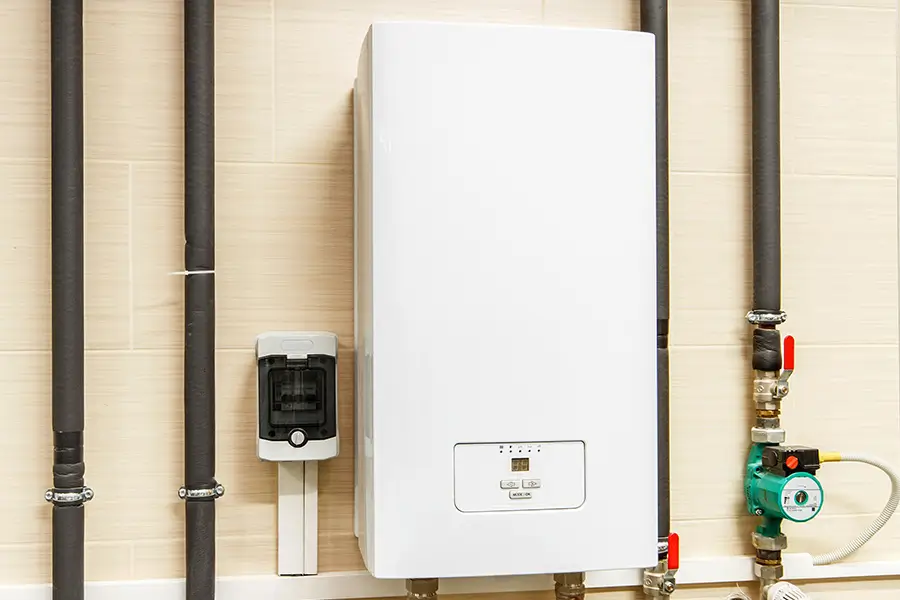
So, you’re ready to step into the future with an energy-efficient water heater, right? You’ll not only save on energy costs, but you’ll also contribute to a healthier planet. With cutting-edge technology and diverse options, it’s a no-brainer. Remember, utility rebates can ease the initial investment. Think of it as your personal Apollo mission, leading the charge to sustainable living. It’s time to make the switch and reap the long-term benefits. Now, isn’t that a hot idea?