
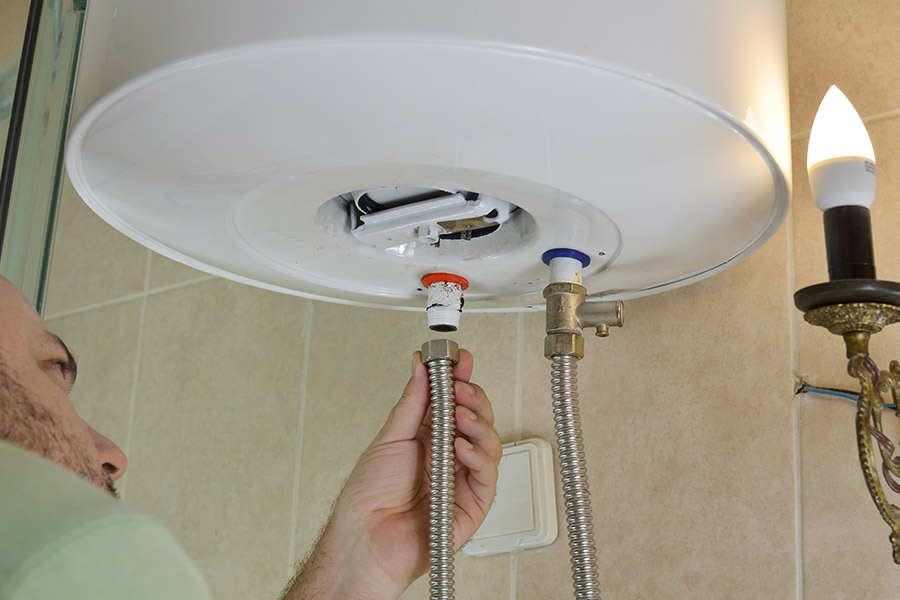
Just as the Greek god Hephaestus was known for his mastery over fire and metal, you, too, can master the art of water heater installation with a few essential tips. It’s not merely about connecting pipes; you’ve got to reflect on the type of heater, the location and ventilation, and the necessary tools. Professional services can handle this, but wouldn’t you like to know what they’re doing or even do it yourself? Let’s begin this journey and break down these key points for a successful water heater installation.
Understanding Water Heater Types
Before diving into the installation process, you must understand the different types of water heaters available and their respective functionalities.
First, there are conventional storage tank water heaters. These are the most common type, providing a ready hot water reservoir. They’re fueled by natural gas, propane, fuel oil, or electricity. However, while they’re typically less expensive upfront, they can be costlier due to standby heat loss.
Second, there are tankless or demand-type water heaters. These heat water directly without the use of a storage tank. When a hot water tap is turned on, cold water travels through a pipe into the unit, and either a gas burner or an electric element heats the water. These types tend to be more energy-efficient but can be more expensive initially.
Lastly, heat pump water heaters, or hybrid water heaters, capture heat from the air or ground and transfer it to the water. They use electricity to move heat from one place to another instead of generating heat directly, making them two to three times more energy-efficient than conventional electric resistance water heaters. They can be higher in cost but offer long-term energy savings.
Selecting an Ideal Location
So, where’s the best spot to install your new water heater? The location can impact the unit’s efficiency, lifespan, and safety. Ideally, it should be installed in a clean, dry area with plenty of ventilation. However, don’t worry about the ‘Significance of Proper Ventilation’ now; we’ll discuss that in our next subtopic.
Your heater’s location should be easily accessible for maintenance and repairs. It’s not practical to put it somewhere hard to reach or cramped. In addition, the installation spot must have enough clearance on all sides. This allows the heat to dissipate correctly, minimizing the risk of overheating.
Consider the proximity to your plumbing lines, too. The closer the heater is to the points of use, the less heat loss there’ll be. So, choose a central location if possible. However, be aware of potential noise issues, especially if you’re installing a tankless model, which can sometimes be noisy.
Lastly, consider local regulations. Some municipalities have specific requirements or restrictions on water heater placements. It’s essential to verify these before making your final decision. Remember, a correctly located water heater is more efficient and safer.
Importance of Proper Ventilation
Understanding the importance of proper ventilation for your water heater can’t be overstated, as it plays an essential role in maintaining efficiency and guaranteeing safety. Without adequate ventilation, dangerous gases can accumulate, leading to potential health risks, and the efficiency of your water heater can be greatly reduced.
To guarantee the correct ventilation of your water heater, consider these four key aspects:
- Ventilation Type: Depending on your water heater type, you’ll need different ventilation setups. For instance, natural draft water heaters require vertical venting, while power vent models can use horizontal venting.
- Venting Material: Select the appropriate material for your venting system. For certain models, it should be heat resistant and durable, such as stainless steel or PVC.
- Venting Size: The size of the venting system should correspond to the size and capacity of your water heater. A mismatch can lead to inefficient operation or safety issues.
- Professional Installation: Don’t underestimate the importance of professional installation. Improper ventilation can lead to serious problems, so it’s best to trust professionals who are knowledgeable on the subject.
Safety Measures During Installation
When installing a water heater, it’s important to prioritize safety measures to prevent accidents and secure ideal operation. First and foremost, turn off the power. If you’re dealing with a gas heater, ensure the gas supply line is shut off. For electric heaters, disconnect the circuit.
Next, drain the old heater. Do this cautiously to avoid getting scalded by hot water. Wearing gloves and using a hose can help you handle the water safely.
Pay close attention to the pressure relief valve, a vital safety feature that releases excess pressure. It should be installed correctly and tested regularly.
Always use a level to make certain the heater is positioned upright. An uneven heater can lead to malfunctions or even a dangerous tip-over.
Lastly, don’t forget the significance of ventilation. Poorly ventilated gas heaters can lead to carbon monoxide buildup, which is deadly.
Necessary Tools for Installation
Before you commence the installation process, gathering all the necessary tools is vital to guarantee a smooth and efficient task. Having the right tools at hand speeds up the task and secures your safety and the integrity of the water heater unit. The following are the tools you’ll need for a standard water heater installation:
- Pipe Wrench: This tool is indispensable for any plumbing job. It helps you tighten or loosen plumbing connections during the installation process.
- Screwdriver: You’ll need a good quality screwdriver to secure various water heater parts.
- Tape Measure: Precision is key when installing a water heater. A tape measure will help you position the unit correctly and make accurate pipe connections.
- Plumber’s Tape: This tape helps to seal pipe threads and prevent leaks. It’s a vital addition to your toolbox for this task.
Step-by-Step Installation Guide
Kicking off the installation process, ensure you’ve switched off the power supply and prepared your workspace before installing your new water heater. Safety should be your top priority. Once you’re all set, drain the old water heater. Connect a hose to the drain valve and let the water flow out.
Next, disconnect the gas line using two pipe wrenches. Make sure to remove any residual gas. Now, you’re ready to remove the old water heater. Be careful; it’s heavy, and you might need some help.
Once the old unit is out of the way, it’s time to position the new water heater. Check to verify its level. Now, connect the heat trap fittings and the water lines. If necessary, use soldering techniques to secure the connections.
Finally, the gas supply line must be attached to ensure a secure connection. Follow the manufacturer’s instructions to light the pilot. Once it’s lit, set the control valve to the desired temperature.
Congrats, you’ve successfully installed your new water heater! Remember, it’s always best to call a professional if you’re unsure—your safety matters. In the next segment, we’ll discuss dealing with potential issues.
Dealing With Potential Issues
Despite your best efforts, you might encounter some issues during your water heater installation, so it is important to be prepared to resolve them efficiently. Here are four common issues you might face and how to handle them:
- Incorrect Sizing: If your heater’s too big or too small for your needs, you’ll experience issues like insufficient hot water or energy inefficiency. Always double-check the specifications before installation.
- Faulty Thermostat: A malfunctioning thermostat can cause fluctuating water temperatures. If you’re experiencing this, it’s time to replace the thermostat.
- Pressure Relief Leaks: If your pressure relief valve leaks, it could be due to excessive pressure or a faulty valve. You may need to install a pressure-reducing valve or replace the faulty part.
- Noisy Operation: If your heater’s making strange noises, it could be due to sediment build-up or a faulty heating element. A quick flush might do the trick, but if not, consider replacing the element.
Importance of Regular Maintenance
While troubleshooting potential issues is important, routine upkeep keeps your water heater running smoothly and efficiently over time. Regular maintenance extends the lifespan of your water heater and saves you money by reducing energy costs. It’s a win-win!
Don’t underestimate the power of simple tasks such as draining your tank annually to clear out sediment. This sediment can cause your heater to work harder, reducing its efficiency and lifespan. You’ll also want to check the pressure relief valve regularly. If it’s not working properly, your tank could explode due to built-up pressure.
Inspecting the anode rod every few years is another essential task. This part attracts corrosive elements, protecting the tank from rusting. If worn out, your tank will start corroding, leading to costly repairs or replacement.
Lastly, remember to keep the area around your heater clean and clear of debris. This promotes proper air circulation, allowing your heater to operate at its best.
Hiring Professional Installation Services
When installing a new water heater, hiring professional installation services can ensure the job is done right, safely, and efficiently. They are trained individuals with the necessary skill set and experience to handle any complications that may arise during installation.
Here are four reasons why you should consider professional services for your water heater installation:
- Safety: Professional installers adhere to safety codes and regulations. They guarantee that the installation is done correctly to prevent future accidents or malfunctions that could risk your safety.
- Efficiency: They have the knowledge and tools to do the job quickly and efficiently, minimizing disruption to your daily routine.
- Quality: You’re assured of a high-quality job. Professionals use the best materials and follow the right installation procedures, ensuring the longevity of your water heater.
- Warranty: Most professional services offer a warranty for their work. This gives you peace of mind, knowing that if anything goes wrong within the warranty period, they’ll fix it at no extra cost.
Hiring professionals for your water heater installation is a wise move that can save you time, money, and potential hazards.
Evaluating Your Water Heater’s Performance
After securing the services of a professional installer, your next step is to learn how to gauge your water heater’s performance effectively. This task might seem intimidating but don’t worry. It’s not as complicated as it looks.
Start by evaluating your water heater’s energy efficiency. This is typically indicated by the Energy Factor (EF), a measure of how efficiently the unit converts energy into hot water. A higher EF indicates better efficiency. If your water heater’s EF is low, you might want to contemplate a more efficient model.
Next, monitor your water heater’s ability to provide consistent hot water. If you’re frequently experiencing cold showers or your hot water runs out quickly, it could be a sign that your heater’s capacity isn’t sufficient for your needs.
Also, pay attention to your water heater’s age. Most heaters last about 10 to 15 years. It might be time for a replacement if yours is nearing or beyond this age range.

Conclusion
Understanding your water heater type, selecting an ideal location, and ensuring proper ventilation is key to a smooth installation. Don’t forget the necessary tools and safety measures. Regular maintenance and professional services can be your ace in the hole, boosting your heater’s performance and longevity. So, don’t let your water heater throw you a curveball – keep it running efficiently with these essential tips.