
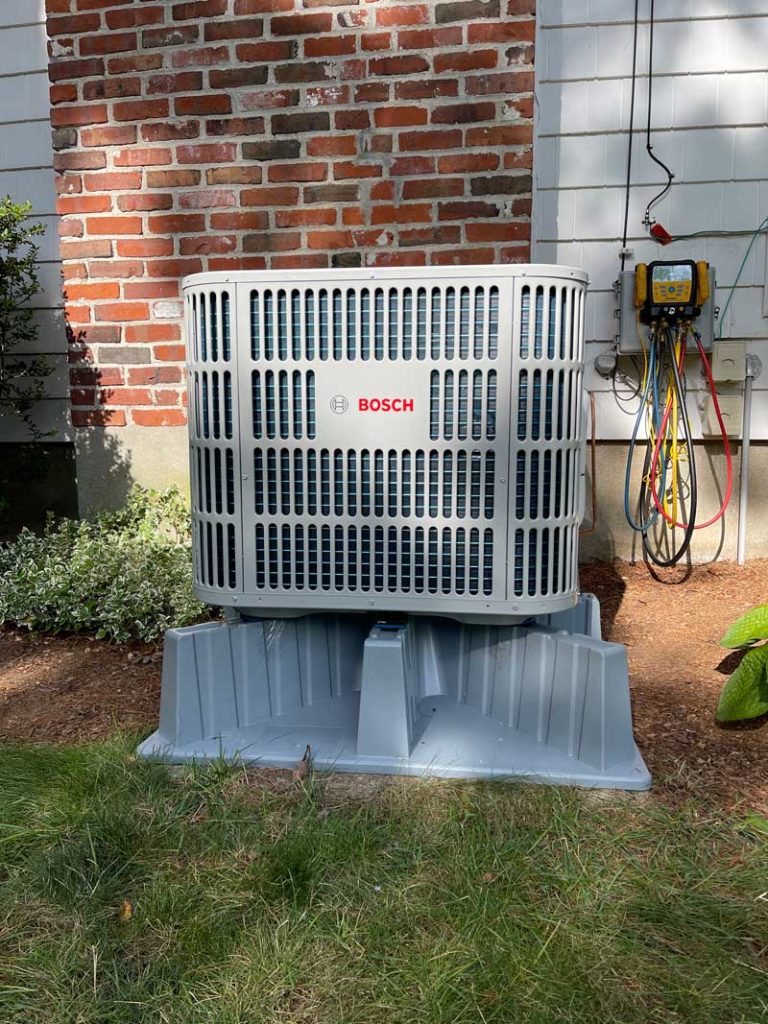
When your AC starts acting up, it’s not just about comfort—it’s about avoiding costly repairs down the line. These signs can point to larger issues lurking within your system, from odd sounds echoing through your vents to a weak breeze on a scorching day. Don’t sweat it just yet; a few simple troubleshooting steps could make all the difference and save you from a major headache in the future. So, the next time your AC throws a curveball, remember a little know-how can go a long way in keeping your cool.
Unusual Noises
If you notice unusual noises from your AC unit, it may indicate underlying issues requiring immediate attention. Common causes of such noises include compressor troubleshooting, fan motor issues, vibration problems, and squealing sounds.
Listen for clunking or banging noises for compressor troubleshooting, which could suggest a loose or worn-out compressor. If left unaddressed, this could lead to more significant problems. Fan motor issues often manifest as humming or screeching, indicating a potential motor malfunction. Vibration problems are typically heard as rattling or buzzing noises and may signal loose parts within the unit. Squealing sounds could be due to a worn-out belt that needs replacement.
To address these issues, it is advisable to contact a professional HVAC technician promptly. Ignoring these noises can further damage your AC unit and potentially increase repair costs. By addressing unusual sounds early, you can safeguard the efficiency and longevity of your cooling system.
Weak Airflow
Check the air filter if you’re experiencing weak airflow from your AC system. A clogged filter can restrict airflow and reduce cooling efficiency. Moreover, inspecting the ductwork for any blockages or leaks can help improve the overall airflow in your home.
Air Filter Check
Check the air filter if you notice weak airflow in your AC system. Regularly inspecting and changing your air filter is essential for maintaining your system’s efficiency and preventing airflow issues. Clogged or dirty filters restrict airflow, causing your AC to work harder and consume more energy. To guarantee peak performance and energy efficiency, replace disposable filters every 1-3 months, depending on usage and manufacturer recommendations. Clean reusable filters according to the manufacturer’s instructions.
A dirty air filter impacts airflow and the quality of air circulating in your home. Dust, pollen, and other particles can accumulate on a dirty filter, reducing indoor air quality. By keeping your filter clean, you not only improve airflow but also create a healthier environment for your family. Additionally, a clean filter can extend the lifespan of your AC unit by reducing strain on the system. Regular air filter maintenance is a simple yet effective way to ensure your AC system operates efficiently and provides excellent airflow throughout your home.
Ductwork Inspection
Guarantee proper airflow in your AC system by thoroughly inspecting your ductwork for any obstructions or leaks. Insufficient airflow can lead to decreased cooling efficiency and higher energy bills. Begin by evaluating the insulation around your ductwork. Poor insulation can result in energy loss and reduced system efficiency. Make sure that your ducts are properly sealed to prevent air leaks. Sealing gaps in the ductwork helps optimize airflow and maintains a consistent temperature throughout your home.
To improve energy efficiency and airflow, check for any visible damage or disconnected sections in your ductwork. Leaks or disconnected ducts can significantly impact the performance of your AC system. Inspect the ductwork for any blockages caused by debris or dust buildup. Clearing these obstructions can enhance airflow and prevent strain on your system.
Regularly maintaining and inspecting your ductwork is crucial for maximizing the efficiency of your AC system and ensuring a comfortable indoor environment. Addressing any issues promptly can help you avoid costly repairs in the future.
Thermostat Malfunction
When your thermostat malfunctions, it can disrupt your home’s cooling system, leading to discomfort and potential issues with your AC unit. Temperature inconsistency is a common indicator of a faulty thermostat. If you notice that some rooms are too hot or too cold while others are at the set temperature, your thermostat may be to blame. Moreover, inaccurate readings can occur, causing your AC unit to run longer than necessary and increasing energy consumption.
Faulty wiring within the thermostat can also lead to issues. If the wiring is damaged or not properly connected, the thermostat may not be able to communicate effectively with the AC unit, resulting in irregular cooling patterns. Heat pump issues can arise from thermostat malfunctions as well. If the settings on the thermostat are not configured correctly, it can impact the heat pump’s operation, affecting your home’s overall comfort levels. To address these problems, consider having a professional inspect and potentially replace the thermostat to ensure your cooling system functions efficiently.
Leaking or Moisture
If you notice condensation around your AC unit, it could signal a potential issue with leaking or moisture. Drain line clogs are common culprits for water leakage, impacting your system’s efficiency. Detecting refrigerant leaks early is important to prevent further damage and maintain peak performance.
Condensation Around Unit
Excessive condensation around your AC unit can indicate a potential leakage or moisture accumulation issue. To address this, start by ensuring proper drainage maintenance. Check that the condensate line is clear and free of obstructions, allowing water to flow away from the unit effectively. Insulation upgrades should also be considered to prevent condensation from forming in the unit.
Humidity control is vital in preventing excessive condensation. Adjusting the humidity levels in your home can help reduce the amount of moisture in the air that the AC unit needs to handle, thereby minimizing condensation. Moreover, adjusting the fan speed on your unit can help circulate air more efficiently, potentially reducing condensation build-up.
Drain Line Clogs
Address drain line clogs promptly to prevent leaking or moisture issues in your AC system. Preventive maintenance is crucial to keeping your drain line clear. Regularly schedule professional cleaning to guarantee efficient operation. Yet, if you encounter a clog, there are DIY solutions you can try before calling a technician. One effective method is performing a vinegar flush. Simply pour a mixture of equal parts vinegar and water down the drain line to dissolve any blockages. Let it sit for about 30 minutes, then flush with water to clear the line. This simple step can help prevent future clogs and keep your system running smoothly. Remember, maintaining a clear drain line is vital to prevent water damage and mold growth in your home. By staying proactive with preventive maintenance and using DIY solutions like the vinegar flush, you can avoid costly repairs and ensure your AC system operates efficiently.
Refrigerant Leak Detection
Detecting refrigerant leaks in your AC system is vital to maintaining efficiency and preventing costly repairs. Here are some key points to help you effectively address refrigerant leaks:
- Signs of a Leak: Look out for decreased cooling performance, hissing sounds near the refrigerant lines, or a spike in energy bills, as these could indicate a refrigerant leak.
- Professional Repair: If you suspect a refrigerant leak, it’s best to contact a professional HVAC technician for accurate diagnosis and repair.
- DIY Detection Techniques: You can use soapy water to check for bubbles at connection points or electronic leak detectors to pinpoint the source of the leak.
- Preventive Maintenance: Regularly scheduled maintenance can help detect leaks early on, preventing extensive damage and costly repairs.
Foul Odors
If you notice musty or unpleasant odors from your AC system, it may indicate a potential issue requiring attention. Foul odors can stem from various sources within your HVAC system, affecting indoor air quality. To address this problem, start by ensuring proper HVAC maintenance. Changing air filters, cleaning ducts, and scheduling professional tune-ups can help eliminate odors and prevent them from recurring.
In addition to maintenance, consider odor elimination methods. Using odor-neutralizing products designed for HVAC systems can help freshen the air and improve indoor air quality. Remember that certain smells can indicate specific issues, such as mold growth or stagnant water in the system. If you suspect a more serious problem, it’s best to consult with a professional HVAC technician for proper diagnosis and repair.
Frozen Evaporator Coil
To prevent a frozen evaporator coil in your AC system, it’s important to understand the common causes and how to address this issue promptly. Here are some crucial tips to help you deal with a frozen evaporator coil:
- Regular Maintenance Tips: Make sure to perform regular maintenance on your AC system, including cleaning the coils, changing filters, and checking for proper airflow.
- Preventive Measures: Monitor the thermostat settings to prevent the evaporator coil from freezing because of overcooling.
- Defrosting Steps: If you notice ice buildup on the evaporator coil, turn off the AC system and let the ice melt naturally, or use a gentle fan to speed up the process.
- Seek Professional Help: If the issue persists or you are unsure about handling it yourself, contact a professional HVAC technician to inspect and repair the frozen evaporator coil efficiently.
Clogged Air Filters
Regularly replacing clogged air filters in your AC system is essential for peak performance and efficiency. Regular maintenance of your air filters guarantees that your system operates smoothly, providing excellent cooling while maintaining good indoor air quality. When air filters become clogged with dirt, dust, and debris, they restrict airflow, causing your AC system to work harder and less efficiently. This can lead to increased energy consumption and potential damage to the system components over time.
To prevent these issues, it is recommended to schedule filter replacement every 1 to 3 months, depending on usage and air quality factors. Filter replacement is a simple task that homeowners can do without the need for professional assistance. Use the correct size and type of filter recommended for your AC system to ensure proper filtration and airflow. By staying proactive with filter replacement as part of your regular maintenance routine, you can help extend the lifespan of your AC system and maintain peak performance.
Electrical Issues
Maintaining proper electrical connections and addressing any potential issues promptly is essential for ensuring the efficient operation of your AC system. When it comes to electrical issues, several key factors can impact the performance of your air conditioning unit:
- Voltage Fluctuations: Fluctuations in voltage can strain your AC system and lead to malfunctions. Monitoring voltage levels and using surge protectors can help mitigate these issues.
- Circuit Breaker: A tripped circuit breaker can disrupt the power supply to your AC unit. Resetting the breaker and checking for any underlying problems is important.
- Wiring Problems: Faulty wiring can cause electrical failures in your system. Inspecting the wiring regularly for wear and tear can prevent potential hazards.
- Electrical Connections: Loose or corroded electrical connections can hinder the functioning of your AC. Ensuring all connections are secure and clean promotes smooth operation.
Uneven Cooling
Addressing uneven cooling in your home requires a systematic approach to identify and resolve potential issues with your AC system. To achieve temperature balance throughout your space, check your air filters. Clogged filters restrict airflow, leading to uneven cooling. Make sure they are clean and replace them regularly.
Next, examine your air ducts for any blockages or leaks. Poor air distribution can result from duct issues, causing some rooms to be cooler than others. Seal any leaks with duct tape and clear out any obstructions obstructing airflow.
Additionally, consider the positioning of your thermostat. Ensure it is placed away from heat sources like windows or appliances that can affect its readings. This guarantees accurate temperature regulation for consistent cooling.
Lastly, have a professional HVAC technician inspect your system for any underlying problems like low refrigerant levels or a malfunctioning compressor. Addressing these factors allows you to achieve efficient air distribution and maintain a comfortable temperature balance throughout your home.
Conclusion
In summary, promptly addressing common AC repair issues is essential for maintaining a comfortable indoor environment. Did you know that regular maintenance can increase the lifespan of your AC unit by up to 50%? Homeowners can guarantee efficient cooling and air quality by staying on top of troubleshooting and seeking professional help. Remember, a well-maintained AC system is key to staying cool and comfortable all year round.