
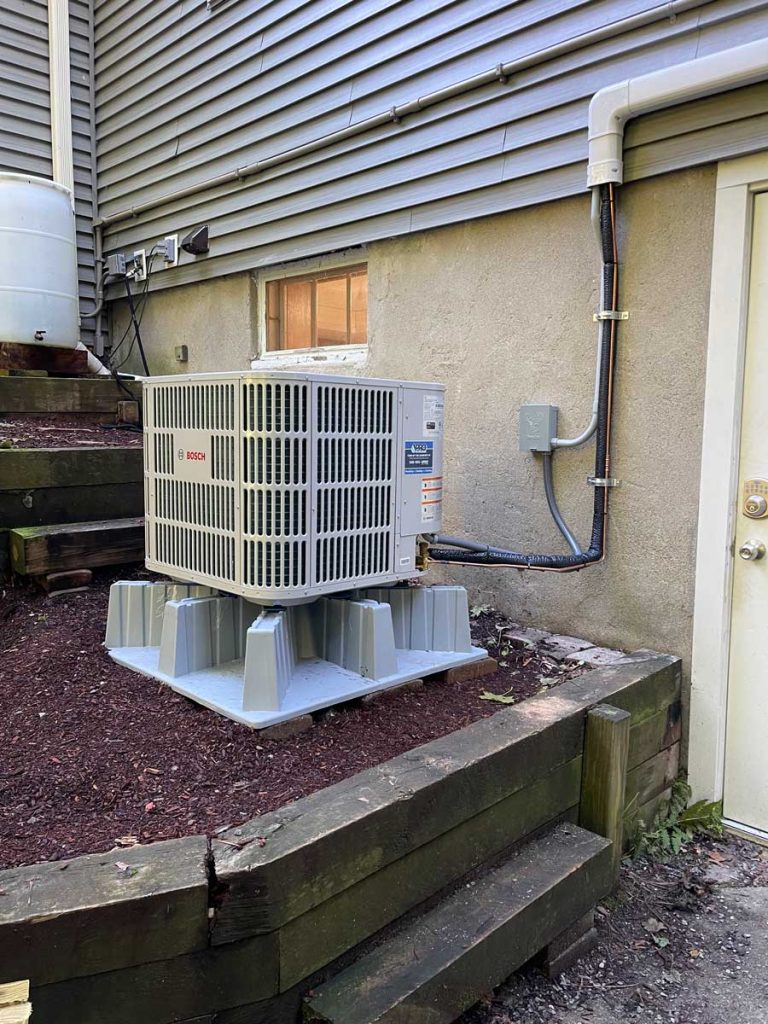
When it comes to ensuring a smooth and successful AC installation, key steps you need to take can make a significant difference in the outcome. By carefully considering factors like unit selection, sizing assessment, location planning, ductwork inspection, electrical wiring check, professional installation, and post-installation maintenance, you can set the stage for a seamlessly operating cooling system in your home. Each step plays an essential role in your AC unit’s overall effectiveness and efficiency, so paying attention to these details can lead to a comfortable and worry-free environment.
Unit Selection
When selecting the appropriate AC unit for your space, consider the square footage and energy efficiency ratings to guarantee peak performance. Energy efficiency is important for long-term savings on your utility bills. Look for units with high Seasonal Energy Efficiency Ratio (SEER) ratings, as these are more energy-efficient and can help lower your electricity costs. Moreover, keep budget considerations in mind. While it may be tempting to opt for a cheaper unit initially, investing in a more energy-efficient model can lead to significant savings over time. Calculate the lifetime costs of each unit, including installation, maintenance, and operational expenses, to make a well-informed decision. Remember, a slightly pricier unit with higher energy efficiency may pay off in the long run.
Research different brands and models to find the best balance between energy efficiency and affordability. Compare warranties, customer reviews, and energy efficiency ratings to ensure you get a unit that meets your needs while staying within your budget. By carefully considering energy efficiency and budget constraints, you can select an AC unit that provides top cooling performance without exceeding your financial limits.
Sizing Assessment
Proper unit sizing is vital in your AC installation process to guarantee peak performance. Accurate room measurement is fundamental to determining the appropriate cooling capacity for efficient operation. You can ensure that your AC system operates effectively and efficiently by thoroughly evaluating sizing requirements.
Proper Unit Sizing
Ensure the proper unit sizing for your AC installation by conducting a thorough sizing assessment based on the specific requirements of your space. Ensuring the correct sizing is essential for efficient energy usage, cost-effectiveness, and overall air conditioning system performance. When determining the cooling capacity needed, consider factors such as the size of the area to be cooled, insulation levels, number of windows, and ceiling height. This assessment will help you select an AC unit that is suitable for your climate and efficient in maintaining a comfortable indoor temperature.
To achieve the best results, consult with HVAC professionals who can perform detailed calculations to determine the right size unit for your space. Oversized units can lead to short cycling, reduced efficiency, and increased energy costs, while undersized units may struggle to cool your space effectively. By investing time in proper unit sizing, you can enjoy a well-balanced system that meets your cooling needs efficiently.
Room Measurement Accuracy
For precise room measurement in your sizing evaluation process, ensure accuracy in determining the specific dimensions of the space to be cooled, including factors such as insulation levels, window quantity, and ceiling height. Measurement precision is crucial, so equipment accuracy must be utilized, such as tape measures and laser tools for exact measurements. Consider the room layout to understand how air circulates, ensuring the cooling system can reach all corners effectively.
When measuring the room, pay close attention to any obstructions affecting airflow, such as furniture or curtains. Accurate measurements will help determine the right AC unit size for optimal cooling performance. Consider the room’s orientation concerning sunlight exposure, which can impact the cooling needs. By meticulously measuring and evaluating the room dimensions and layout, you can better match the AC unit’s capacity to the space’s specific requirements, leading to a more efficient and effective cooling system installation.
Location Planning
When it comes to location planning for your AC unit, there are key points to think about. Think about ideal placement considerations and the proper spacing requirements for best performance. These factors are important in ensuring efficient cooling and longevity of your air conditioning system.
Ideal Placement Considerations
Considering where to place your AC unit is crucial for the best performance and efficiency. When determining the ideal location, prioritize ventilation design to guarantee proper airflow and maximize energy efficiency. Opt for spots where furniture or curtains won’t obstruct the unit, allowing unrestricted air circulation. Aesthetics play a role, too; choose a location that balances functionality with visual appeal.
To improve energy efficiency, avoid placing the AC unit near heat-producing appliances or direct sunlight to prevent overworking the system. Moreover, keep the unit away from dusty areas to maintain peak performance and reduce the need for frequent maintenance.
The indoor unit should be placed in a central location for central AC systems to allow even distribution of cool air throughout the house. Consider installing the outdoor unit in a shaded area to prevent it from overheating and lessen the compressor’s workload.
Proper Spacing Requirements
Pay close attention to the proper spacing requirements during the location planning phase to guarantee peak performance and efficiency of your AC unit. Adequate installation spacing is vital to ensure your air conditioner functions at its best. Ensure enough clearance around the unit for proper airflow and maintenance access. Typically, at least 2 feet of clearance should be on all sides of the outdoor unit. This clearance allows unrestricted airflow, which is important for the unit to operate efficiently. Furthermore, ensure no obstructions above the unit, such as tree branches or structures, to prevent airflow blockages.
When considering the indoor unit, provide ample space around it for proper ventilation and servicing. The indoor unit should have enough clearance around its vents to allow unrestricted airflow. Additionally, ensure that the unit is placed where airflow is not obstructed by furniture or curtains. Adhering to these installation spacing and clearance requirements can guarantee a smooth and successful AC installation.
Ductwork Inspection
Examining the ductwork is fundamental to guaranteeing proper airflow and efficiency in your AC system. When it comes to ductwork inspection, attention to detail is key. Here are some important steps to take into account:
- Ductwork evaluation: Begin by visually inspecting all ducts for any signs of damage, leaks, or blockages. Properly sealed ducts are crucial for the best airflow.
- Airflow analysis: Check for obstructions or restrictions that may impede the airflow. Ensuring a clear path for air to travel through the ductwork is vital for efficient cooling.
- Sealing verification: Ensure all joints and connections are correctly sealed to prevent air leaks. Leaks can lead to energy waste and reduced cooling performance.
- Insulation assessment: Evaluate the insulation around the ductwork to prevent energy loss. Proper insulation helps maintain the temperature of the air as it travels through the system.
- Size confirmation: Confirm that the ductwork is appropriately sized for your AC unit to guarantee sufficient airflow throughout your home. Proper sizing contributes to better air distribution and overall efficiency.
Electrical Wiring Check
Inspecting the electrical wiring of your AC unit is an important step to guarantee safe and efficient operation. Before beginning the installation process, checking the voltage compatibility between the AC unit and the power source is vital to prevent any electrical issues. Ensure the voltage requirements match to avoid damage to the unit or potential safety hazards. Moreover, examine the wire insulation for signs of wear, fraying, or damage. Damaged insulation can lead to electrical shorts or malfunctions, jeopardizing the system’s performance and safety.
Carefully inspect the wiring connections to ensure they are secure and properly connected. Loose connections can result in overheating or intermittent operation. If you notice loose wires, tighten them immediately to prevent future problems. It’s also important to follow the manufacturer’s guidelines and wiring diagrams during installation to ensure everything is connected correctly.
Professional Installation
How can a professional installation service benefit your AC unit’s overall performance and longevity? When opting for skilled technicians and quality assurance through professional service, you guarantee that your AC installation is done right the first time. Here are some key benefits of choosing professional installation:
- Installation Expertise: Professional technicians have the knowledge and experience to install your AC unit correctly, ensuring peak functionality.
- Skilled Technicians: Trained experts can handle installation challenges, ensuring a smooth process.
- Quality Assurance: Professional services guarantee their work, giving you peace of mind that your AC unit is installed to the highest standards.
- Professional Service: You can expect high professionalism, communication, and customer care throughout the installation process.
- Longevity of Your AC Unit: Proper installation by professionals can extend the lifespan of your AC unit, saving you money in the long run.
Post-Installation Maintenance
Ensuring proper post-installation maintenance is vital for maximizing the efficiency and longevity of your newly installed AC unit. Regular filter replacement is important to keep your system running smoothly. Filters should typically be changed every 1-3 months, or as the manufacturer recommends, to prevent dust and debris buildup that can hinder airflow and strain the system. Additionally, coil cleaning is crucial to maintain peak performance. Dirty coils can reduce efficiency and lead to system malfunctions.
Another significant aspect of post-installation maintenance is thermostat programming. Setting your thermostat to energy-efficient temperatures can help lower your utility bills and reduce wear and tear on your AC unit. Programming your thermostat to adjust settings based on your schedule ensures comfort when needed while conserving energy when you’re away.
Conclusion
Following these 7 steps to a smooth and successful AC installation, you will set yourself up for a cool and comfortable living space. Remember, attention to detail and proper planning are key in ensuring peak performance and longevity of your system. So, take the time to carefully consider each step to guarantee a hassle-free and efficient installation process. Your future self will thank you for it.