
When considering installing energy-efficient heat pumps with Mass Save, starting with a thorough energy assessment is essential to pinpoint your home’s specific needs. After selecting the right heat pump, communicating your expectations to a qualified installer sets the stage for a smooth process. You’ll also need to prepare the installation site to guarantee everything goes off without a hitch. But what should you expect during the installation, and how can you maximize your system’s efficiency afterward? Let’s explore those necessary steps next.
Understanding Heat Pumps
Heat pumps are versatile systems that heat and cool your home efficiently. They work by transferring heat rather than generating it, making them an energy-efficient option for climate control. In heating mode, they extract heat from the outside air, even in cold temperatures, and release it indoors. Conversely, in cooling mode, they remove heat from your home and discharge it outside.
This dual functionality makes heat pumps ideal for varied climates, allowing you to maintain comfort year-round. They come in different types, including air-source, ground-source (geothermal), and water-source, each suited to specific environments and needs. Understanding these options helps you choose the right system for your home.
Investing in a heat pump enhances your comfort and supports a sustainable future. By opting for energy-efficient models, you’re contributing to reduced energy consumption and lower greenhouse gas emissions. Additionally, many states offer incentives for installing these systems, making them more accessible. When you choose a heat pump, you’re improving your home’s efficiency and serving your community and environment by promoting energy conservation. Embrace this opportunity to make a positive impact while enjoying year-round comfort.
Benefits of Energy-Efficient Heat Pumps
While you might consider various heating and cooling options, energy-efficient heat pumps stand out for their remarkable benefits. First, they significantly reduce energy consumption, making them a smart choice for your wallet and the environment. By extracting heat from the air or ground, these systems can provide up to three times more heating or cooling energy than the electrical energy they consume.
Additionally, energy-efficient heat pumps can enhance indoor air quality. They often come with advanced filtration systems that capture dust, allergens, and other pollutants, creating a healthier living space for you and your family.
Moreover, heat pumps’ versatility can’t be overlooked. They can heat and cool your home effectively, eliminating the need for separate systems and reducing maintenance costs.
Finally, you’ll find that many utility companies offer incentives for installing energy-efficient heat pumps, making them even more financially attractive. By choosing these systems, you’re not just improving your comfort; you’re also contributing to a more sustainable future. Investing in energy-efficient heat pumps is a decision that benefits you, your community, and the planet.
Assessing Your Home’s Needs
How do you determine the best heating and cooling solution for your home? Start by evaluating your current energy needs and understanding your space. Consider factors like the size of your home, insulation quality, and existing heating systems. Then, thoroughly evaluate your current energy bills to gauge your heating and cooling requirements.
Next, reflect on your comfort preferences. Different rooms may have varying needs, so prioritize areas that require consistent temperature control. Consider considering the number of occupants and their daily routines to identify peak usage times.
Don’t forget to assess your home’s layout. Are there rooms that struggle to maintain temperature? Identifying these areas can help you target solutions that address specific weaknesses.
Lastly, think about future needs. Are you planning to expand or renovate? A heat pump can be a long-term investment, so factor in potential changes to your home.
Exploring Mass Save Incentives
What incentives are available to make your changeover to energy-efficient heat pumps more affordable? Mass Save offers various financial incentives to ease the shift to greener energy solutions. These include rebates that can significantly offset the heat pump’s initial purchase and installation costs. By taking advantage of these rebates, you enhance your home’s energy efficiency and contribute to a more sustainable future for your community.
Additionally, Mass Save provides no-cost energy assessments to identify the best options for your home. This service helps you understand your potential savings, ensuring you make informed decisions that benefit your wallet and the environment.
Moreover, financing options are available, allowing you to spread out the cost of your new heat pump while still enjoying immediate energy savings. These incentives are designed to make energy-efficient choices accessible to everyone, especially those committed to serving their communities by reducing energy consumption.
Exploring these incentives isn’t just about saving money; it’s about positively impacting the environment and supporting a more sustainable future. Don’t miss out on the opportunity to be part of this essential change.
Choosing the Right Heat Pump
When considering a heat pump for your home, which factors should you prioritize to confirm peak performance and efficiency? First, the heating and cooling capacity measured in BTUs will be assessed. You want a unit that fits your space without being oversized or undersized, as both can lead to higher energy costs and reduced comfort.
Next, look for the Seasonal Energy Efficiency Ratio (SEER) and the Heating Seasonal Performance Factor (HSPF). A higher rating indicates better efficiency, reducing utility bills and reducing carbon footprint. Don’t overlook the type of heat pump; air-source, ground-source, or ductless systems, each serves different needs and environments.
Additionally, the noise levels of various models should be considered. If you’re sensitive to sound, researching decibel ratings can help you choose a quieter option. Finally, the warranty and customer support offered by manufacturers should be considered. A solid warranty reflects confidence in the product, and good customer service ensures you’ll get help when needed.
Finding a Qualified Installer
Where can you find a qualified installer for your new heat pump? Start by checking the Mass Save website, where you’ll find a list of approved contractors who meet strict efficiency and performance standards. These professionals have undergone training and certification, guaranteeing they can handle your installation with care and expertise.
Next, ask for recommendations from friends, family, or neighbors who’ve recently installed heat pumps. Personal experiences can lead you to reputable installers that prioritize customer service and quality workmanship. Don’t hesitate to read online reviews or visit local forums to gather insights about different contractors.
Once you’ve narrowed your options, contact potential installers for quotes and ask about their experience with energy-efficient heat pumps. Inquire about warranties, maintenance options, and their commitment to energy-saving practices. This way, you can ensure that your installer meets technical requirements and shares your values of serving the community and promoting sustainable living.
Finding the right installer is vital for maximizing your heat pump’s efficiency and longevity, making your investment in energy efficiency worthwhile.
Preparing for Installation
After selecting a qualified installer, it’s time to prepare to install your heat pump. Begin by evaluating your space to guarantee it’s clear of any obstacles. This includes moving furniture, plants, or any items that could hinder access to installation points. A tidy environment facilitates a smoother installation and helps protect your belongings.
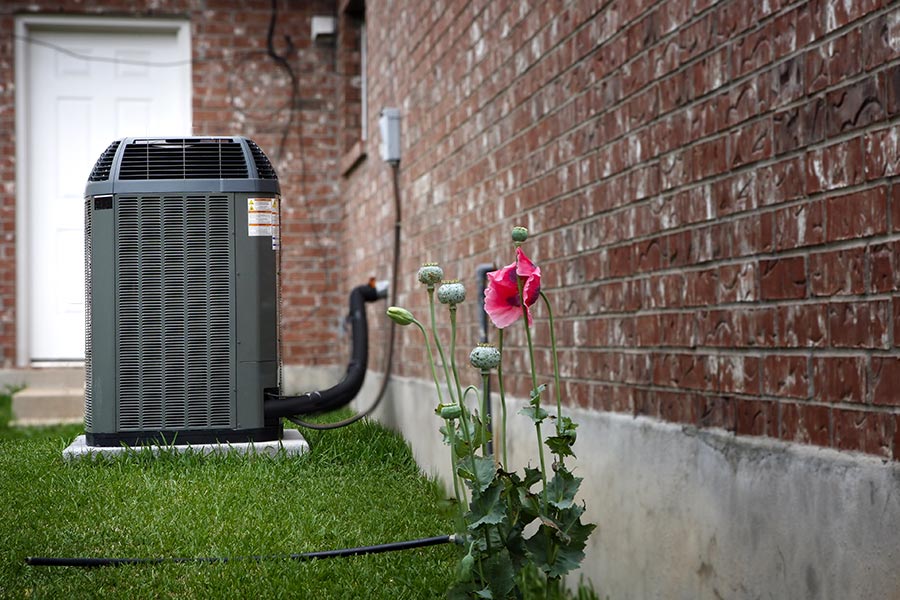
Next, review your home’s electrical system and confirm that it meets the requirements for the new heat pump. If you’re unsure, consult your installer—they can guide you on any necessary upgrades. Additionally, consider the placement of the outdoor unit. It should have adequate airflow and be positioned away from obstructions like fences or trees.
Communicating openly with your installer about your expectations and concerns is vital. Discuss your heating and cooling needs, and don’t hesitate to ask questions. This collaboration guarantees the system will serve your home effectively.
Finally, schedule any necessary time off from work for the installation day. Being present during the installation can help you understand how the system operates, and you’ll have the opportunity to clarify any last-minute details with your installer.
Installation Process Overview
Understanding the process can significantly enhance your experience and guarantee peak performance as you install your energy-efficient heat pump. First, you must assess your home’s specific heating and cooling needs. This ascertains the system you choose is appropriately sized and optimized for efficiency.
Next, prepare the installation site. Clear any debris, and ascertain that there’s adequate access to both the indoor and outdoor units. Once the site is ready, it’s time to install the indoor unit, which typically involves mounting it securely on a wall or ceiling. After that, you’ll connect the refrigerant lines and electrical wiring, following all safety guidelines.
The outdoor unit installation follows, requiring proper placement on a stable surface, ideally elevated to prevent flooding. After positioning, connect the refrigerant lines and ascertain all electrical connections comply with local codes.
Finally, perform a thorough system check. This includes testing the unit’s functionality and verifying that it operates efficiently. By understanding each step of the installation process, you streamline the procedure and contribute to creating a sustainable and energy-efficient home environment.
Post-Installation Tips
Once you’ve completed the installation of your energy-efficient heat pump, maintaining ideal performance becomes essential for maximizing energy savings. First, familiarize yourself with the system’s user manual. Understanding the settings and features will help you utilize your heat pump effectively, guaranteeing optimal efficiency.
Next, consider setting your thermostat to a comfortable yet energy-efficient temperature. Avoid frequent adjustments; make gradual changes to maintain consistent comfort and energy use. Additionally, ensure air filters are regularly checked and replaced as needed. Clean filters improve air quality and enhance the unit’s performance.
Be mindful of the outdoor unit as well. Keep the area around it clear of debris, leaves, and snow to prevent airflow restrictions. This simple maintenance step can considerably impact efficiency. Finally, take advantage of any incentives or programs from Mass Save for further energy-saving tips.
Maintaining Your Heat Pump
Proactive maintenance is essential to guarantee your heat pump operates efficiently throughout its lifespan. By regularly caring for your system, you enhance its performance and extend its longevity. Here are three key maintenance tasks you should prioritize:
- Check and Replace Filters: Clogged filters restrict airflow, making your heat pump work harder. Aim to check and replace them monthly every three months or as needed.
- Clear Debris: Keep the outdoor unit free of leaves, dirt, and other debris. This helps maintain peak airflow and prevents overheating, which can damage the unit.
- Schedule Professional Inspections: Having a qualified technician inspect your heat pump annually guarantees any potential issues are identified early. This proactive approach can save you from costly repairs down the line.
Conclusion
In summary, installing an energy-efficient heat pump through Mass Save enhances your home’s comfort and significantly saves energy bills. By understanding your specific needs, leveraging available incentives, and following the installation process, you can guarantee a smooth shift to a more efficient heating and cooling system. Don’t underestimate the importance of regular maintenance; it’s key to maximizing the performance and lifespan of your heat pump, making it a wise investment for your home.