
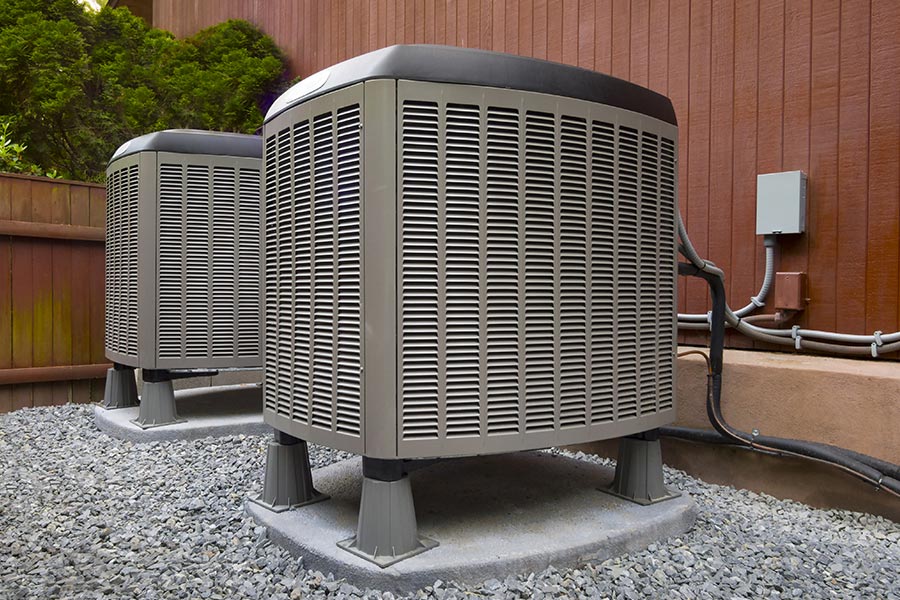
If you’re considering a heat pump installation in Massachusetts, you might miss out on significant savings through various rebates and incentives. Understanding how to navigate these financial opportunities can substantially impact your upfront costs and long-term energy bills. Whether you’re a homeowner or renting, options are tailored for you. However, knowing the eligibility requirements and key programs is essential. What specific steps should you take to guarantee you maximize these benefits?
Understanding Heat Pumps
While many homeowners may consider heating systems separate from cooling systems, heat pumps elegantly bridge that gap by providing both functions in one unit. This dual capability makes them an efficient choice for year-round climate control. Heat pumps utilize less energy by transferring heat rather than generating it, reducing your carbon footprint and saving you money.
In Massachusetts, you can use mass-save heat pump incentives to make this technology even more accessible. These incentives can cover a considerable portion of installation costs, making investing in a system that benefits both your home and the environment easier. Additionally, heat pump rebates Massachusetts offers further enhance the financial attractiveness of these systems, encouraging you to make an eco-friendly choice.
Understanding how heat pumps operate and their benefits will empower you to serve your community better. By promoting energy-efficient solutions, you contribute to a more sustainable future. Choosing a heat pump isn’t just a wise financial decision; it’s also a responsible one, aligning your home with the growing movement towards energy efficiency and environmental stewardship.
Benefits of Heat Pump Installation
Installing a heat pump offers numerous benefits that extend beyond mere temperature control. First and foremost, heat pumps deliver significant energy efficiency, using up to 50% less electricity than traditional heating systems. This efficiency translates to lower energy bills, allowing you to allocate those savings toward other meaningful endeavors, whether supporting local charities or investing in community projects.
Moreover, heat pumps provide heating and cooling functions, making them versatile for year-round comfort. This dual capability simplifies your home’s climate control and reduces the need for additional systems, minimizing maintenance and installation costs.
In addition to financial savings, heat pumps are environmentally friendly. By reducing your carbon footprint, you contribute positively to the planet, aligning with a vision of sustainability that benefits everyone.
Finally, a well-installed heat pump can enhance your home’s value. Homebuyers increasingly seek energy-efficient solutions, so this investment can pay off in the long run.
Overview of Available Rebates
Massachusetts offers a range of enticing rebates that make heat pump installation even more appealing. These financial incentives help offset the initial costs associated with upgrading to a heat pump system, encouraging more homeowners to choose energy-efficient solutions.
The state’s programs often include rebates from utility companies, which can greatly reduce your investment. For instance, you might find rebates based on the efficiency rating of the heat pump you choose. The more efficient the system, the higher the rebate you could receive. Additionally, some state-sponsored initiatives aim to assist low- and moderate-income households, ensuring everyone can benefit from cleaner, more sustainable energy options.
Eligibility Requirements
To qualify for heat pump installation rebates in Massachusetts, you must meet specific eligibility criteria that confirm your system aligns with state and utility standards. First, verify that your heat pump is Energy Star certified, which signifies efficiency and reliability. Additionally, your installation must be performed by a qualified contractor who is enrolled in the program. This not only confirms proper setup but also maximizes your energy savings.
You’ll also need to reside in a participating utility service area, as not all regions offer these rebates. Check with your local utility provider to confirm your eligibility. Verifying that your existing heating system is outdated or less efficient is crucial, as rebates typically apply to upgrades rather than new installations.
Lastly, remember that you may need to provide documentation, such as receipts and proof of installation, to claim your rebate. By understanding these eligibility requirements, you position yourself to benefit from financial incentives and contribute to a more sustainable future for your community. Investing in a heat pump isn’t just about savings; it’s about enhancing the quality of life for everyone around you.
State and Federal Incentives
While exploring heat pump installation rebates, you’ll find that both state and federal incentives greatly enhance the financial benefits of upgrading your heating system. Massachusetts offers various programs, such as the Massachusetts Clean Energy Center’s rebates, which can considerably reduce upfront costs. These incentives are designed to encourage energy-efficient upgrades, benefiting your wallet and the environment.
The Residential Energy Efficiency Tax Credit provides a valuable opportunity on the federal level. You can claim a percentage of the installation costs for qualifying heat pumps on your tax return. This credit is a powerful motivator for homeowners investing in energy-efficient technologies.
By taking advantage of these incentives, you save money and contribute to a greener future. Every dollar you save on energy bills translates into resources that can be allocated elsewhere, potentially benefiting your community. Furthermore, installing a heat pump can lower greenhouse gas emissions, aligning your personal choices with broader environmental goals.
Incorporating these state and federal incentives into your decision-making process makes investing in heat pumps a smart financial move and a socially responsible one.
How to Apply for Rebates
Taking advantage of the available rebates for heat pump installation is straightforward and can considerably offset your costs. Following a few essential steps guarantees you maximize your savings while contributing to a more sustainable future.
Here’s how to apply for your rebates:
- Research eligibility: Check the specific criteria for the rebates available in Massachusetts.
- Choose a qualified contractor: Work with a licensed professional who understands the rebate process and can guide you.
- Gather necessary documentation: Keep records of your installation, including invoices, receipts, and required forms.
- Fill out the application: Complete the rebate application form accurately, guaranteeing you provide all requested information.
- Submit on time: Pay attention to deadlines to guarantee your application is considered for the rebate.
Key Programs in Massachusetts
Understanding the key programs in Massachusetts that support heat pump installation can significantly enhance your savings and sustainability efforts. One of the most notable programs is the Mass Save initiative, which offers financial incentives for homeowners opting for energy-efficient upgrades, including heat pumps. You can receive rebates that considerably offset installation costs, making it an attractive option for environmentally conscious consumers.
Another essential program is the SMART (Solar Massachusetts Renewable Target) program, which provides financial benefits for integrating solar energy with heat pumps. This dual approach reduces energy bills and contributes to a greener community.
Additionally, local utility companies often have their own rebate programs tailored to encourage energy-efficient practices. These programs frequently include home energy assessments, which provide tailored recommendations that maximize savings.
Tips for Choosing a Contractor
How do you guarantee that a qualified professional handles your heat pump installation? Choosing the right contractor is essential for ensuring your system operates efficiently and meets your needs. Here are some tips to help you make an informed decision:
- Check Credentials: Verify licenses and certifications specific to heat pump installation.
- Read Reviews: Look for testimonials and reviews from previous customers to gauge their satisfaction.
- Ask for References: Request contact information of past clients to hear firsthand about their experiences.
- Evaluate Experience: Confirm the contractor has a solid background in heat pump installations, particularly in your area.
- Get Multiple Quotes: Compare estimates from different contractors to ensure you get a fair price and scope of work.
Common Misconceptions
Even with the right contractor in place, misconceptions about heat pumps can lead to confusion and missed opportunities for efficiency and savings. One common myth is that heat pumps only work well in moderate climates. Modern heat pumps are engineered to perform efficiently even in colder temperatures, making them a viable option for Massachusetts residents.
Another misconception is that heat pumps are too expensive to install. While the upfront costs may seem high, numerous rebates and incentives are available that greatly reduce the financial burden. You could save more than you think, especially considering long-term energy savings.
Some believe that heat pumps don’t provide adequate heating. However, technological advancements have led to models that deliver reliable warmth, even during frigid winters.
Lastly, many people think heat pumps require excessive maintenance. In truth, they typically require less upkeep than traditional heating systems, making them a hassle-free choice in the long run. Educating yourself on these misconceptions is essential. By doing so, you’ll be better equipped to make informed decisions that effectively serve your energy needs and financial goals.
Long-Term Savings Potential
While many homeowners focus on the initial installation costs of heat pumps, the potential for long-term savings can be significant. Investing in a heat pump means you’re not just considering upfront expenses; you’re also looking at future benefits that can enhance your home’s efficiency and your wallet.
Here are some key savings factors to reflect on:
- Lower Energy Bills: Heat pumps typically use less energy than traditional heating methods, reducing monthly costs.
- Tax Credits and Rebates: Massachusetts offers financial incentives that can offset your initial investment, making heat pumps more affordable.
- Increased Home Value: Energy-efficient homes attract buyers, potentially increasing your property’s resale value.
- Maintenance Savings: Heat pumps generally require less maintenance than conventional systems, saving you on repairs over time.
- Environmental Impact: Reducing your carbon footprint contributes to a more sustainable future, which can be rewarding.
When you evaluate these long-term savings, it becomes clear that a heat pump installation is a wise decision, not just for you but also for the community. Embracing energy efficiency benefits everyone.
Conclusion
Incorporating a heat pump into your home isn’t just an eco-friendly choice; it’s a smart financial move. By leveraging the various rebates and incentives available in Massachusetts, you can markedly reduce your installation costs while enjoying long-term savings on energy bills. Don’t overlook the importance of choosing a qualified contractor to maximize these benefits. Embrace this opportunity to enhance your home’s value and efficiency—taking action today could lead to substantial rewards tomorrow.