
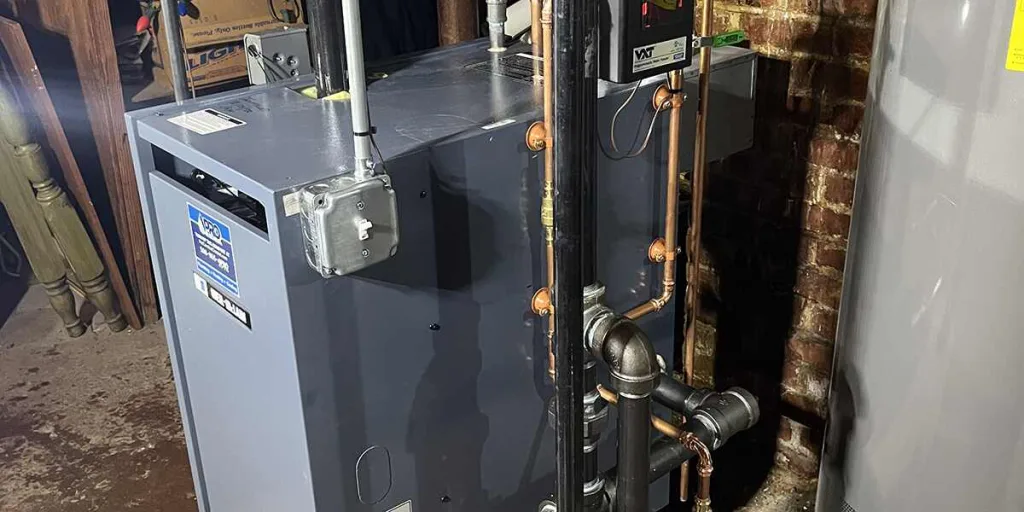
Furnaces work wonderfully for heating properties in Massachusetts, especially during cold fronts and the wintery season. However, you may notice your system constantly turning on and off when it shouldn’t. While the system sometimes cycles, on and off cycles usually last about 10 minutes each.
If your system cycles faster than that, you may be experiencing short cycling risks in heating. Is furnace short cycling dangerous, or is it a minor inconvenience that requires a simple furnace repair in Sudbury? Here, Pro Comfort Control explains the dangers of furnace short cycling.
Common Causes for Short Cycling
Short cycling can have various causes, but most technicians see it happen for one of three reasons:
#1. Poor Furnace Sizing
HVAC installers should fit your system to your property since different units work best in different building sizes. The furnace should not be too small or large for your home.
In this case, short cycling usually happens because a furnace is too big for the property. While larger furnaces have more heating power, they can be too powerful and use excessive energy to heat your home.
The rooms heat quickly due to the system’s high power, but they also cool swiftly because the furnace didn’t steadily increase the rooms’ temperature. The temperature drop prompts the thermostat to trigger the furnace, causing it to turn on again even if it just turned off moments before, increasing electric bills.
Moreover, one of many common hazards associated with short cycling includes inconsistent temperatures, which can cause respiratory distress.
#2. Overheating Prevention
Do you know the other safety implications of heating system short cycles? Is furnace short cycling dangerous, or does it indicate the system has further issues? Both apply; short cycling could be a problem, or your safety system is trying to prevent a problem, like overheating.
Modern furnaces have sensors in the unit and throughout the HVAC system to prevent serious issues. For example, your furnace may try to turn on per thermostat orders but turns off to prevent a fuel leak from getting worse. Also, overheating can crack the heat exchanger, which may release carbon monoxide which can quickly lead to severe poisoning.
You can try preventing overheating by allowing heat to transfer through the property. If you don’t know how to clean a blocked exhaust vent, interior vents, or air filters, rely on an expert to help prevent overheating and short cycling. We can make sure your system meets gas furnace performance requirements.
#3. Thermostat Errors
A functioning thermostat should be able to keep room temperatures at desired levels. However, much like any electronic device, thermostats can also malfunction. You could also make an innocent mistake while programming your thermostat, causing it to turn off and on at inopportune times.
Thermostats near warm areas, like kitchens or large windows facing the sun, may also experience sensor mistakes. The sensors may indicate that the room is hot when it isn’t, causing the thermostat to turn the furnace off. Then, when the sensors pick up the cool air, the furnace turns back on, short cycling.
While you can troubleshoot your thermostat, you may want to rely on an expert if you need electrical assistance or want to move your thermostat elsewhere.
Facing the Impact of Frequent Furnace Cycling
As noted, short cycling can cause respiratory issues, high electric bills, and indicate system problems. However, is furnace short cycling dangerous by itself?
One hazard associated with short cycling includes how quickly this process can wear down your system. Furnaces use capacitors to help the system jumpstart, giving it the extra energy needed to turn and start the blower and start circulating heat. Short cycling means this jumpstart happens repeatedly, which can damage system parts and electrical connections.
Damaged system parts might not seem as bad as an overheating issue, but the short cycling could even cause overheating. For example, the system starts short cycling because the furnace isn’t suitable for your property. Because of the damage incurred over several short cycles, cracks form in prominent areas, including the fuel system.
Pro Comfort Control Handles Short Cycling Dangers
Addressing short cycling issues can help you save money, improve your health, and keep your property safe.
Experts at Pro Comfort Control have been helping Sudbury residents keep their furnaces in working order for over 25 years. We can help you with any furnace questions, including “How long should a furnace run before shutting off?” and “Is furnace short cycling dangerous compared to AC short cycling?”
For fast and efficient service in Massachusetts, call Pro Comfort Control at 508-684-5319 or visit our contact page today.