
Many homeowners feel uncertain about relying on a heat pump once temperatures start dropping. It is a fair concern, especially in a community like Ashland, MA, where winters can be unforgiving. The good news is that modern heat pumps are well-suited for cold-climate performance, and knowing a few key efficiency principles can make a meaningful difference in both comfort and energy costs.
Our team at Pro Comfort Control has worked with countless property owners across Ashland and the surrounding MetroWest area through our heat pump repair and maintenance services. The guidance below reflects what we see and recommend in the field every season.
How Heat Pumps Work To Warm Your Home in Ashland, Massachusetts
To get the most out of a heat pump, it helps to understand how the system actually operates. Unlike a furnace, which generates heat by burning fuel or using electrical resistance, a heat pump transfers warmth from an external source and distributes it throughout the building. That distinction matters when it comes to setting realistic expectations and using the system correctly.
The most common heat pump types include:
- Ground source: Extracts heat from the ground and circulates it through the home. These systems offer highly consistent performance because ground temperatures stay relatively stable year-round.
- Air source: Draws warmth from outdoor air, even in cold conditions. Air-source heat pumps are the most widely installed type in Massachusetts homes.
- Water source: Connects to an underground water body, removes heat from the water, and delivers it into the building.
Many Ashland homeowners opt for cold-climate heat pumps specifically because they are engineered to maintain efficiency even when temperatures drop well below freezing. The tips below apply to all heat pump types and will help you get the most out of your system this winter.
Let the System Work at Its Own Pace
Heat pumps are not designed for rapid heating the way furnaces are. Instead, they warm a space gradually and maintain a consistent temperature once the thermostat setting is reached. This steady, low-intensity operation is actually what makes them so energy efficient over time.
Pushing the thermostat up several degrees at once does not speed up the heating process. It simply causes the system to work harder than necessary, which drives up energy consumption without delivering faster results. The better approach is to set a comfortable temperature and leave it there. In the meantime, an extra layer of clothing goes a long way on the coldest Ashland mornings.
Schedule Pre-Winter Maintenance
Every HVAC system benefits from professional maintenance before the heating season begins, and heat pumps are no exception. An annual tune-up from a qualified technician ensures that all components are clean, calibrated, and operating efficiently heading into winter.
In addition to a professional inspection, there are a few things property owners can do to support system performance:
- Clear the return register and vent grates of dust and debris
- Check the drain line and condensate pan for any standing water or buildup
- Remove fallen leaves, grass clippings, twigs, and other organic debris from around the outdoor unit
These small steps reduce strain on the system and help prevent minor issues from developing into larger ones mid-season. For Ashland homes along the Hopkinton State Park corridor, where wooded surroundings mean more debris around outdoor units, this is especially worth staying on top of.
Keep the Outdoor Unit Clear and Uncovered
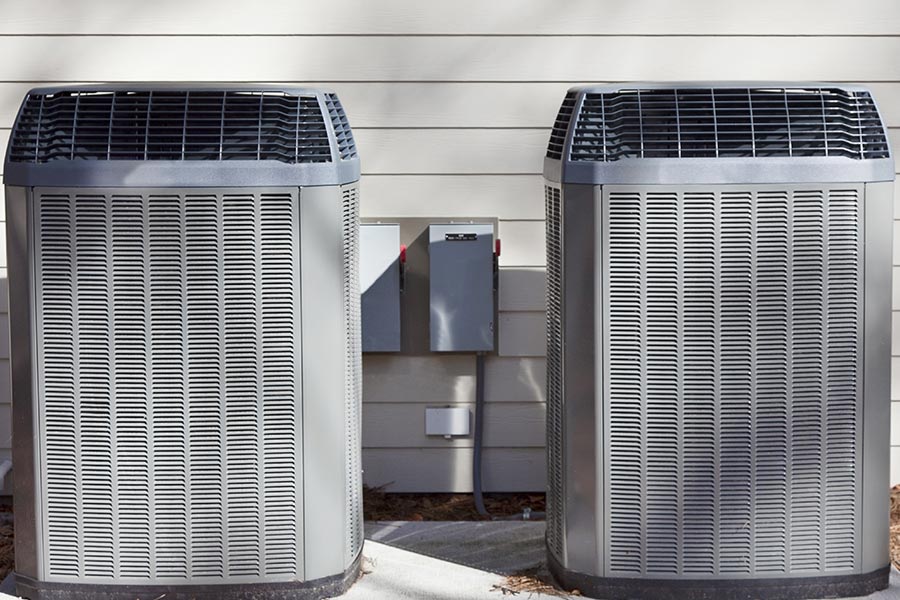
A common misconception is that the outdoor unit needs to be covered or insulated during winter. In practice, covering the unit can actually interfere with its operation. Heat pumps are built with a defrost cycle specifically to manage ice and frost accumulation on the outdoor coil.
That defrost cycle typically runs for two to fifteen minutes at a time, depending on conditions. It is an automatic, built-in function that keeps the system running safely without any intervention needed. The outdoor unit simply needs to stay clear of heavy debris and snow buildup. Resist the urge to wrap it up for the winter.
Change the Air Filter and Keep Vents Unobstructed
Airflow is one of the most critical factors in heat pump efficiency. A clogged filter forces the system to work harder to move air through the building, which increases energy use and accelerates wear on components. Filters should be replaced at minimum every three months, though more frequent changes may be needed depending on your household situation.
Consider changing your filter more often if you:
- Have pets that shed regularly
- Work in a dusty or outdoor trade such as landscaping or construction
- Burn candles or use incense indoors on a regular basis
Beyond the filter, periodically check that furniture, storage items, and laundry are not blocking supply or return vents. Obstructed vents create uneven heating and reduce overall system efficiency.
Maximize Comfort Room by Room
One of the most practical ways to stay comfortable while a heat pump works through its gradual heating cycle is to focus on the spaces you are actually using. A few simple adjustments can make individual rooms noticeably warmer without asking more of the system:
- Set ceiling fans to rotate clockwise. This pushes warm air that rises to the ceiling back down into the living space where it is actually felt.
- Close the door. In smaller rooms, keeping the door closed retains the heat the pump has already delivered to that space.
- Address drafts at doors and windows. Door sweeps, weather stripping, and heavier curtains all reduce cold air infiltration and help the system maintain temperature more easily.
Considering an Upgrade or New Installation?
If your current system is aging or struggling to keep up with winter demand, it may be worth evaluating your options. Ductless heat pumps offer a flexible, zone-controlled solution that works particularly well in Ashland homes with additions, finished basements, or rooms that are difficult to heat evenly. For homes with existing ductwork, ducted heat pump systems deliver whole-home efficiency at a level that older furnace setups rarely match.
Our team can walk you through the options that make sense for your specific home, layout, and budget.
Keeping Your Ashland Home Comfortable All Winter
Understanding how your heat pump operates is the first step toward getting the most out of it. With the right maintenance habits, proper thermostat use, and a qualified HVAC team in your corner, a heat pump can keep your Ashland home comfortable and efficient through even the coldest MetroWest winters.
Pro Comfort Control offers maintenance memberships that include regular tune-ups, service discounts, and priority scheduling for members throughout Ashland and surrounding communities. When you are ready to schedule a heat pump evaluation or maintenance visit, contact our team today and we will get you set up.