
Did you know regular maintenance can extend your home boiler’s lifespan by up to 15 years? That’s a significant saving when considering the cost of a new boiler. Still, most homeowners don’t know the first thing about boiler maintenance. So, let’s fix that. If you’re interested in learning how to keep your boiler running efficiently, safely, and for as long as possible, you’ll want to stick around. We’ll discuss some essential tips that could save you time, money, and hassle.
Understanding Your Home Boiler
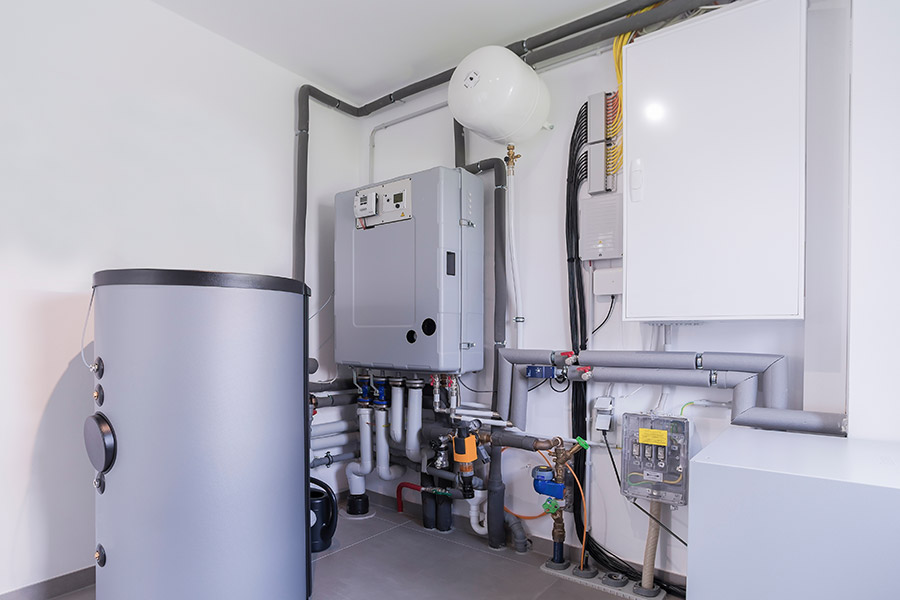
To properly maintain your home boiler, you must understand its basic functions and components. This powerful machine is responsible for heating your home and providing hot water. It works by burning a fuel source, such as natural gas, to heat a fluid circulated through your home’s heating system.
Your boiler has several key components. The burner ignites the fuel source, while the heat exchanger transfers heat from the burning fuel to the water or steam. The flue carries away exhaust gases, and the expansion tank accommodates the increase in water volume as it heats up.
Your boiler also has a series of controls. The thermostat regulates the temperature, turning the boiler on and off as needed. The pressure relief valve releases pressure if it gets too high, and the circulator pumps heated water or steam through your home’s pipes.
Understanding these basics will empower you to troubleshoot issues and communicate effectively with professionals when necessary. It’s about taking the time to learn to better serve your home and those living there. Remember, knowledge is power when it comes to maintaining your home boiler.
Regular Boiler Inspection
Now that you’re familiar with the basic workings of your home boiler, let’s move on to the importance of regular boiler inspections. Regularly inspecting your boiler can save you from unforeseen breakdowns and costly repairs. It’s not just about catching small issues before they become major problems. It’s also about making certain your boiler operates at peak efficiency, saving you money on energy bills and reducing your home’s environmental impact.
Your inspection should include checking for leaks, which could indicate a problem with the boiler’s seals. Listen for unusual noises that might suggest mechanical issues. Inspect the flue to verify it’s not blocked or damaged, which could lead to dangerous carbon monoxide build-up. Look at the pressure gauge to affirm it’s at the right level, typically between 1 and 2 bars. Finally, observe if the pilot light is blue; a yellow or orange flame could indicate a problem.
Don’t forget, boiler inspection isn’t a do-it-yourself task. Hiring a certified professional who understands the system’s intricacies is always best. They can ensure your boiler is safe and efficient, giving you peace of mind and maintaining your home’s comfort.
Importance of Annual Servicing
While routine checks and inspections are essential, nothing beats a thorough annual service by a certified professional to guarantee your home boiler’s peak performance and longevity.
An annual service is like a detailed health check-up for your boiler. It’s an opportunity to identify and address minor issues before they become major problems. It’s a chance to confirm that your boiler is operating safely and efficiently, minimizing the risk of carbon monoxide leaks and maximizing your energy savings.
A professional serviceman will thoroughly clean your boiler, inspect all its parts, and replace worn-out components. They’ll test the pressure and temperature controls, check the water and gas pipes for leaks, and verify that the flue is venting properly. They’ll also adjust the burner for ideal combustion and inspect the heat exchanger for any signs of corrosion or damage.
Clearing the Boiler Surroundings
Maintaining a clean and uncluttered area around your boiler is a crucial step in preserving its performance and safety. A cluttered boiler area can lead to inefficiencies, pose a fire risk, and make it harder to spot potential issues. You should keep the boiler’s surrounding area clear of any items that could obstruct airflow or pose a fire hazard, such as paper, fabric, or flammable liquids.
You’ll also want to dust and clean the area regularly. Dust and debris can damage your boiler’s components, compromise operation, and even lead to breakdowns. Use a soft brush to gently remove dust from your boiler and its surroundings. A damp cloth can be used to remove stubborn grime or dirt. Always verify that the boiler is off and cool before cleaning.
Also, observe for signs of rust or corrosion in the boiler area. These could indicate a problem with your boiler’s ventilation or condensation drainage, which could lead to serious issues if not addressed promptly. By keeping your boiler’s surroundings clear, clean, and well-maintained, you’re helping to secure its longevity and peak performance.
Checking for Boiler Leaks
Regular inspections for boiler leaks are essential, as they can signal more severe underlying issues that need immediate attention. A leaking boiler can indicate corrosion, poor installations, or pressure issues. It’s important to promptly identify and address these leaks to prevent further damage and maintain the boiler’s efficiency.
To assist you in performing a thorough leak inspection, here’s a quick guide:
- Check the Pipe Connections: Leaks often occur at joints and connections. Look for any signs of moisture or drips.
- Inspect the boiler body: Examine the boiler for any signs of rust or corrosion that may indicate a leak.
- Look for Puddles: Any water pooling near your boiler clearly indicates a leak.
- Listen for Dripping Sounds: Even if you can’t see a leak, you might be able to hear it.
- Smell for Gas: If you notice a rotten egg smell, you could have a gas leak, which is a serious safety concern.
Maintaining Water Levels
After identifying and addressing any leaks, it’s equally important to monitor your boiler’s water levels. As part of your routine maintenance, you should guarantee that the water level is neither too high nor too low. Remember, maintaining the right water level is vital for your boiler’s smooth, efficient operation.
The boiler might overheat if the water level is too low, leading to potentially expensive repairs. On the other hand, if the water level is too high, the excess water could cause unnecessary pressure, which we’ll discuss more in the next section.
To check the water level, look at the water gauge. To get the most accurate reading, do this while the boiler is not running. If you notice that the water level is consistently dropping, this could indicate a leak somewhere within the system.
Consider installing an automatic water feeder in addition to regular checks. This device can help maintain the correct water level and prevent potential problems. However, it shouldn’t replace your routine checks but rather serve as an additional layer of security.
Regular Pressure Checks
Monitoring your boiler’s pressure is just as essential as maintaining water levels. It’s not a complicated job, but it’s crucial for its longevity and efficiency. Regular pressure checks help prevent unnecessary strain on your boiler, which can lead to breakdowns and costly repairs.
To perform these checks, you need to familiarise yourself with the pressure gauge on your boiler. It’s usually a dial with a needle that points to the current pressure level. Here are some tips:
- Always verify the boiler is switched off and cooled down before you check the pressure.
- The normal pressure for most boilers is between 1 and 1.5 bar. If it’s too high or too low, you’ll need to adjust it.
- If the pressure is low, repressurizing the boiler might be needed. This usually involves opening a valve to allow more water into the system.
- High pressure could indicate a problem with the expansion vessel or pressure relief valve. You might need professional help with this.
- Regularly check the pressure, especially after bleeding radiators or introducing new water into the system.
Cleaning and Flushing Tips
Along with monitoring your boiler’s pressure, maintaining cleanliness through regular cleaning and flushing is another significant aspect of boiler maintenance. Over time, boilers accumulate debris and sludge, affecting efficiency and functionality. You’ll want to regularly clean and flush your system to keep it running smoothly.
Start the cleaning process by turning the boiler and its connected systems off. Once safe, you can open the boiler and use a boiler brush to clean the inside surfaces. This will help to remove any built-up soot, dust, and other debris.
Flushing is another essential part of boiler maintenance. You’ll need to drain the boiler and fill it with clean water. This flushes out any remaining debris or sludge. Repeat this process until the water runs clear. Remember to refill the boiler with water to its normal operating level when you’re done.
Even if you’re diligent about cleaning and flushing, it’s still a good idea to hire a professional for a deep clean every so often. They have the tools and expertise to tackle stubborn build-up you might miss. Regular maintenance will guarantee your boiler remains in good working order for years.
Dealing With Rust and Corrosion
Rust and corrosion can be silent killers for your boiler, greatly impacting its efficiency and lifespan if not properly addressed. These conditions occur when the metal components of your boiler come into contact with water and oxygen, initiating a chemical reaction that gradually deteriorates the metal. Thankfully, there are several measures you can take to prevent and deal with rust and corrosion in your boiler.
Here are five practical tips you can apply:
- Regularly inspect your boiler for signs of rust or corrosion. Early detection makes mitigation easier.
- Clean your boiler frequently. Keeping it free from dust and dirt can reduce the likelihood of rust.
- Use boiler treatment chemicals. These can help prevent corrosion by forming a protective layer on the metal.
- Install a deaerator. This device removes dissolved oxygen from the boiler water, reducing the chance of oxidation.
- Schedule professional maintenance. Experts can provide thorough assessments and solutions that you might overlook.
Your diligence in dealing with rust and corrosion is a valuable service not only to your own home but also to the environment. Well-maintained boilers operate more efficiently, conserving energy and reducing emissions.
Recognizing Common Boiler Problems
Recognizing common boiler problems is important to maintaining your home’s heating system. It’s vital to be aware of the signs that something’s amiss.
The most common issue you may encounter is a lack of heat or hot water, possibly due to various reasons, such as a broken diaphragm, airlock, or thermostat. If your boiler is making strange noises – banging, whistling, or gurgling – it’s often a sign of ‘kettling,’ meaning limescale or sludge build-up affects the heat exchanger.
Another common issue is a leaky boiler, typically caused by a broken internal component. This requires immediate attention as it can lead to rust or electrical short circuits. If you notice your boiler is turning off by itself, it could indicate a problem with the thermostat or low water pressure.
A boiler’s pressure should remain stable, so if it’s dropping, there could be a leak in the system. Finally, if your boiler’s pilot light goes out frequently, it could indicate a broken thermocouple or a draught blowing the pilot out.
Always consult a professional if you’re unsure or if the problem persists. Regular maintenance can prevent many of these problems.
Conclusion
So you’ve got the lowdown on boiler maintenance! No more shivering in cold showers or waiting for the heating to kick in. Keep your boiler happy, and it’ll return the favor by providing you cozy winter nights and hot showers. Remember, it’s not rocket science, just simple TLC. Give it a year-round spa treatment and watch your energy bills drop. Who knew a happy boiler could be the secret to a happy home?