
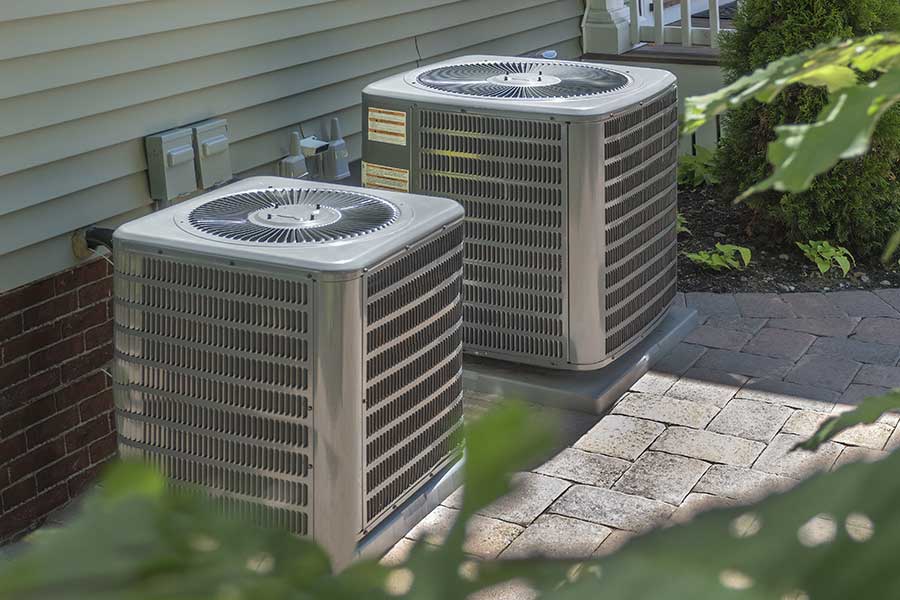
Did you know that heat pumps can reduce energy costs by up to 50% compared to traditional heating systems? If you’re considering installing one in Ashland, MA, it’s essential to think about several key factors first. From understanding the right type of heat pump for your needs to evaluating installation costs and local climate, there’s more to it than you might expect. Let’s examine what you should keep in mind before making this investment.
Understanding Heat Pump Types and Their Efficiency
When considering a heat pump for your home, have you thought about the different types and their efficiency?
There are primarily three types: air-source, ground-source (geothermal), and water-source heat pumps. Air-source models are most common and work well in moderate climates. They absorb heat from the air outside, providing efficient heating and cooling.
Ground-source heat pumps, while more expensive to install, tap into the earth’s stable temperatures, offering superior efficiency and lower operating costs in the long run.
Water-source heat pumps utilize nearby water bodies, providing excellent efficiency, but require proximity to a suitable water source.
Efficiency ratings, like the Seasonal Energy Efficiency Ratio (SEER) or Heating Seasonal Performance Factor (HSPF), help you gauge performance. Ducted heat pumps can also improve indoor air quality by providing dehumidification and filtration, enhancing your home’s comfort.
Choosing the right type based on your climate and needs can greatly impact your energy bills and comfort level, so take the time to evaluate your options carefully.
Assessing Your Home’s Insulation & Size
How well is your home insulated, and does its size suit a heat pump installation? Proper insulation is essential for maximizing your heat pump’s efficiency. If your home has gaps, leaks, or insufficient insulation, you’ll lose valuable heat or cool air, making your system work harder and increasing energy bills.
Start by checking your walls, attic, and floors for insulation quality.
Next, consider your home’s size. A heat pump needs to be appropriately sized for your space to guarantee peak performance. An undersized unit won’t heat or cool effectively, while an oversized unit can lead to short cycling and increased wear. Additionally, energy-efficient operation is crucial for reducing overall energy consumption, making it even more important to assess your home’s insulation and size.
Consult with a professional to perform a load calculation, which assesses your home’s heating and cooling needs based on its size and insulation. This step guarantees you choose the right heat pump for your home’s specific requirements, helping you enjoy year-round comfort.
Evaluating Your Climate and Seasonal Performance
When installing a heat pump, understanding your local weather patterns and seasonal temperature fluctuations is vital. These factors impact the system’s efficiency and performance throughout the year. Be sure to check energy efficiency ratings to guarantee you’re making a smart investment for your climate. Additionally, selecting a system that is energy-efficient can lead to long-term savings on energy bills and maintenance costs.
Local Weather Patterns
Understanding local weather patterns is crucial for evaluating your climate and seasonal performance, as these factors directly influence the efficiency of your heat pump.
In Ashland, MA, you’ll experience cold winters and warm summers, which can impact how well your system operates throughout the year. By analyzing average temperatures, humidity levels, and precipitation patterns, you can determine the best heat pump model for your home.
Moreover, consider how often extreme weather events occur, as this may require a more robust system. Recognizing these patterns helps you anticipate your heating and cooling needs, ensuring you choose a solution that provides consistent comfort and energy efficiency, ultimately saving you money in the long run.
Seasonal Temperature Fluctuations
Seasonal temperature fluctuations considerably impact your heat pump’s performance and efficiency.
In Ashland, MA, you experience a diverse range of temperatures throughout the year, which means your heat pump must adapt accordingly. During warmer months, it works as an air conditioner, while in colder months, it provides heating.
If you don’t consider these variations, you might end up with a system that struggles to maintain comfort levels. Evaluating your climate helps you choose the right heat pump model and size for your needs.
Furthermore, understanding seasonal trends allows you to plan for potential performance issues, ensuring your investment meets your comfort requirements all year long.
Be proactive to maximize your heat pump’s effectiveness in varying weather conditions.
Energy Efficiency Ratings
How can you guarantee your heat pump operates efficiently throughout the year? Start by paying close attention to its energy efficiency ratings.
Look for the Seasonal Energy Efficiency Ratio (SEER) and the Heating Seasonal Performance Factor (HSPF). Higher ratings indicate better efficiency, meaning lower energy bills and a reduced environmental impact.
In Ashland, MA, consider your climate; a heat pump with a high HSPF is essential for cold winters. Additionally, check for the ENERGY STAR label, which signifies superior energy performance.
By selecting a unit that meets these standards, you’ll secure reliable comfort throughout the seasons.
Don’t hesitate to consult with Pro Comfort Control to find the perfect fit for your home and maximize your heat pump’s efficiency.
Considering Installation Costs and Budget
When you’re considering the installation of a heat pump, it’s vital to factor in both the upfront costs and your long-term budget. Start by evaluating the initial expenses, including equipment, labor, and any necessary modifications to your home.
Remember, while heat pumps can have a higher upfront cost than traditional systems, they often lead to significant savings on energy bills over time.
Next, think about your financing options. Many HVAC companies, like Pro Comfort Control, offer flexible payment plans that can make your investment more manageable.
Don’t forget to include potential maintenance costs in your budget, as regular upkeep is important for peak performance. Additionally, consider the benefits of ductless mini-split systems, which can provide efficient heating and cooling without the need for ductwork.
Lastly, keep in mind that while it’s tempting to go for the lowest price, investing in a reputable contractor and quality equipment can save you money in the long run.
Balancing these factors will help you make a knowledgeable choice that fits your financial situation.
Exploring Available Incentives and Rebates
As you investigate the installation of a heat pump, don’t overlook the array of incentives and rebates that can greatly reduce your overall costs. Many federal, state, and local programs offer financial assistance for energy-efficient upgrades.
In Massachusetts, you might qualify for rebates through the Mass Save program, which encourages homeowners to invest in energy-efficient technologies.
Furthermore, certain tax credits can further lessen your financial burden. Check with your utility company for any specific offers they may have.
Don’t forget to examine financing options that can spread out your expenses over time, making it more manageable.
Before moving forward, gather all necessary documentation to guarantee you can take advantage of these opportunities.
Selecting a Qualified HVAC Professional for Installation
Choosing the right HVAC professional for your heat pump installation can greatly impact your system’s efficiency and longevity.
Start by seeking technicians with proper certifications and experience. Look for professionals who specialize in heat pump installations, as they’ll understand the specific requirements for maximum performance.
Check online reviews and ask for recommendations from friends or family to gauge the quality of their service.
During the consultation, make sure they provide transparent pricing and explain the installation process clearly.
Don’t hesitate to ask about their warranty and maintenance plans, which can save you money in the long run.
Pro Comfort Control, for instance, offers certified technicians and customized comfort systems, prioritizing your needs.

Conclusion
So, before you plunge into the world of heat pumps, remember these six sizzling factors! Picture your home wrapped in a cozy blanket of efficiency, perfectly insulated and tailored to your needs. Imagine saving a fortune with rebates while basking in the warmth of expertly installed comfort. Don’t forget to team up with HVAC pros who’ll make your heat pump dreams come true. With the right prep, you’ll conquer the chilly Ashland winters like a superhero!