
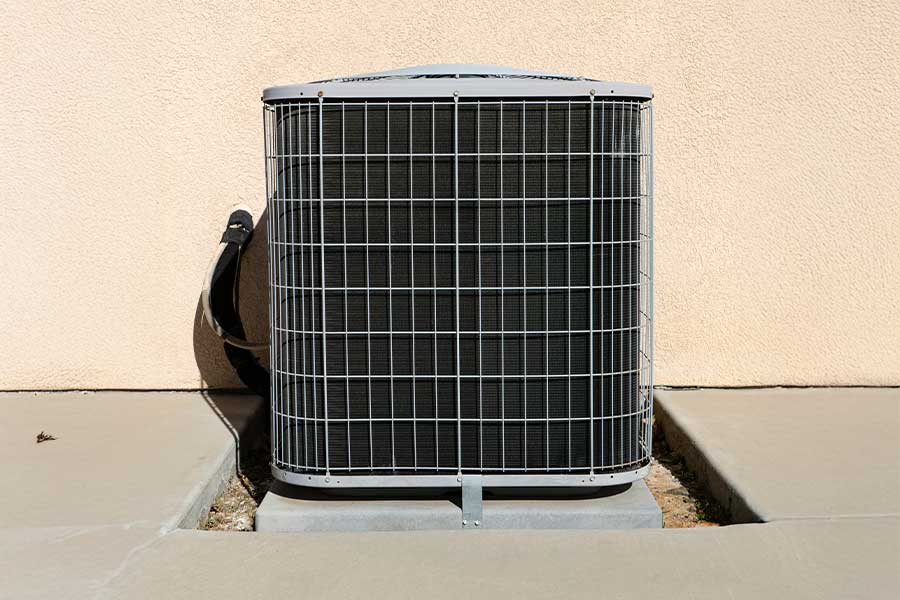
Choosing the right air conditioner for your home is one of the most important decisions you’ll make as a homeowner, and it’s one that has lasting consequences on your comfort, your energy bills, and the lifespan of your equipment. In our service calls throughout Framingham, we regularly encounter systems that were sized incorrectly from the start, and the problems that result are both predictable and frustrating.
Whether you’re in a colonial off Edgell Road, a newer build near Cushing Memorial Park, or an older ranch-style home along Route 30, the sizing process requires more than measuring square footage and picking a matching number off a chart. This guide walks through what proper AC sizing actually involves and why getting it right matters more than most homeowners realize.
For homeowners looking for trusted cooling contractors in Framingham, MA, understanding how sizing works puts you in a much better position to ask the right questions and make a confident decision.
Why AC Size Matters More Than You Think
Air conditioners are not appliances where bigger automatically means better. A system that’s too large for your home will cool the space quickly but shut off before completing a full cycle. This is called short-cycling, and it creates two significant problems.
First, it prevents the system from running long enough to remove humidity from the air. In Massachusetts summers, humidity is often as uncomfortable as the heat itself. A short-cycling system leaves the air feeling cold and clammy rather than genuinely comfortable. Second, the constant stopping and starting puts unnecessary wear on the compressor, which is the most expensive component in the system. Oversized units tend to fail earlier and require more frequent repairs.
An undersized system has the opposite problem. It runs continuously trying to reach the thermostat setpoint and never quite gets there on the hottest days. Energy bills climb, the equipment wears out faster, and comfort suffers throughout the season.
What a Proper Load Calculation Looks Like
The correct way to size an air conditioner is through a Manual J load calculation. This is the industry-standard method used by HVAC engineers and certified technicians to determine exactly how much cooling capacity a home requires. It goes far beyond square footage.
A thorough Manual J calculation accounts for:
- Square footage and ceiling height across all conditioned spaces
- Insulation levels in walls, attic, and floors
- Window size, quantity, and orientation relative to sun exposure
- Local climate data, including Framingham’s design temperatures and humidity levels
- Number of occupants and internal heat sources, such as appliances and lighting
- Air leakage and the overall tightness of the building envelope
- Duct system condition and layout, if applicable
Based on what we see in Framingham properties, homes that were built before current energy codes are often significantly different from newer construction in terms of insulation and air sealing. A calculation that works for a newer home in one neighborhood won’t necessarily apply to an older home a few streets away, even if they’re similar in size.
The Problem with Rule-of-Thumb Sizing
Many homeowners have heard the general guideline that you need one ton of cooling capacity per 400 to 600 square feet of living space. While this can provide a rough ballpark, relying on it for an actual equipment purchase is a shortcut that regularly leads to problems.
A 2,000 square foot home in Framingham with poor insulation, large south-facing windows, and an unfinished attic has a very different cooling load than a 2,000 square foot home that was recently renovated with modern insulation and energy-efficient windows. Treating them the same way is how oversized and undersized systems end up installed.
Any contractor who quotes you a system size without performing a load calculation or asking detailed questions about your home’s construction, insulation, and layout is skipping a step that matters. A proper AC installation should always begin with the right sizing process.
Central AC vs. Ductless Mini-Split: Does the Type Affect Sizing?
Yes, and this is a consideration that comes up frequently in older Framingham homes that don’t have existing ductwork. Central air conditioning distributes conditioned air through a network of ducts, while a ductless mini-split system uses individual air handlers mounted in each zone or room, connected to an outdoor unit.
For ductless systems, sizing becomes a zone-by-zone calculation rather than a whole-home figure. Each indoor air handler is sized for the specific room or area it serves, which allows for more precise comfort control and eliminates the efficiency losses associated with leaky ductwork. In homes where adding ducts isn’t practical or cost-effective, ductless systems are often the smarter long-term investment.
The sizing principles are the same regardless of system type. Each zone still requires a proper load calculation to determine the correct capacity.
Efficiency Ratings and What They Mean for Framingham Homeowners
Once the correct size is determined, the next consideration is efficiency. Air conditioner efficiency is measured by SEER2 rating, which stands for Seasonal Energy Efficiency Ratio. A higher SEER2 rating means the system uses less electricity to produce the same amount of cooling.
In Massachusetts, where summer cooling seasons are moderate compared to southern states but still produce stretches of heat and humidity, mid-to-high efficiency equipment tends to offer a strong return on investment over time. Utility rebates are also available for qualifying high-efficiency systems, which can reduce the upfront cost of upgrading.
Efficiency and size work together. A high-efficiency system that’s improperly sized will still underperform. Getting both right is the goal.
Signs Your Current AC May Be the Wrong Size
If you’ve been dealing with comfort problems and your system is relatively new, improper sizing could be the underlying cause. Common signs include:
- Rooms that never reach the thermostat setpoint on hot days
- Humidity that feels high even when the AC is running
- The system cycling on and off very frequently in short intervals
- Unusually high energy bills relative to your home’s square footage
- Uneven temperatures between rooms or floors
These symptoms can also indicate other issues such as duct leaks, refrigerant problems, or maintenance needs. A professional diagnostic visit will determine whether sizing is the root cause or whether AC repairs or adjustments can resolve the issue without a full replacement.
What to Expect From the Sizing Process
When you work with a qualified HVAC contractor on a new AC installation, the process should begin with a site visit and a detailed assessment of your home. The technician should ask about your insulation, inspect your attic and mechanical spaces, review your existing equipment, and take measurements before recommending any specific system.
Be cautious of quotes that come back very quickly with a single system size and price without a conversation about your home’s specifics. A contractor who takes the time to understand your home before recommending equipment is one who takes the outcome seriously.
Choosing the Right AC for Your Framingham Home
At Pro Comfort Control, we’ve helped homeowners throughout Framingham find the right cooling solution for their specific homes, not just a generic recommendation based on square footage. Our team performs proper load calculations, walks you through your equipment options, and installs systems designed to deliver reliable comfort for years to come.
If you’re planning a new installation or thinking about replacing an aging system, contact our team today to schedule a consultation and get the process started the right way.