
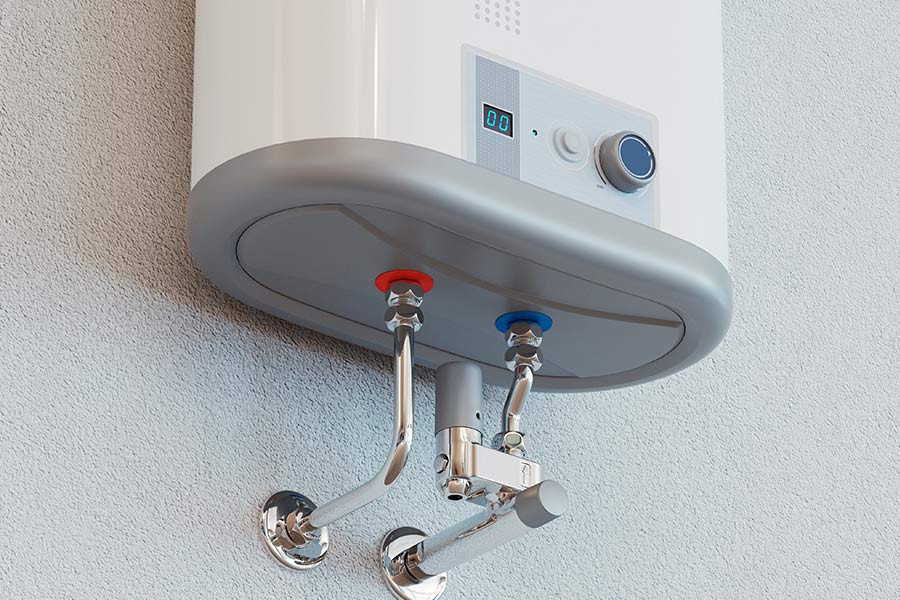
Choosing your next water heater isn’t as simple as picking one off a shelf. You’ll need to explore various replacement options, from tankless and storage tank models to solar, heat pump, and hybrid systems. Each type offers distinct benefits regarding efficiency, lifespan, and installation costs. But how do you know it’s time for a replacement? What signs should you look out for? And what about energy efficiency and long-term savings? Don’t worry. We’ll guide you through all this and more so you can make an informed decision that suits your needs and budget.
Understanding Water Heater Basics
Before diving into the complex world of water heaters, one must grasp some basic concepts and components of this important home appliance. You’re not just dealing with a box that heats water. Instead, you’re interacting with a sophisticated piece of engineering designed to deliver hot water efficiently and safely to your home’s faucets, showers, and appliances.
Two main types are tankless and storage tank water heaters. The former, as the name suggests, doesn’t store hot water. Instead, it heats water directly as it flows through the unit. On the other hand, the latter heats and stores water in a large tank, ready for use.
Each type has its own unique set of components. In a tankless model, you’ll find a heat exchanger that does the actual heating and flow sensors that regulate water pressure and temperature. Storage tank models boast a thermostat, heating element, and a pressure relief valve to prevent the tank from exploding due to overpressure.
Understanding these basics arms you with knowledge that aids in making informed decisions when choosing a water heater. It also helps you serve others effectively, especially if you’re a plumber or in a related field.
The Lifespan of Water Heaters
Now that you’re familiar with the basic components and types of water heaters, let’s discuss their lifespan, which is a key factor to assess when choosing. A water heater’s durability mainly depends on its type, model, and maintenance routine.
Reflect on the following general lifespan averages:
- Traditional tank-style heaters typically last 10-12 years.
- Tankless models can endure up to 20 years with proper maintenance.
- Solar water heaters have the longest lifespan, often 20-25 years.
While these are approximations, your heater’s reliability can greatly improve with regular, expert maintenance. For instance, an annual flush to remove sediment build-up can extend your heater’s life and maintain efficiency.
The quality of water also impacts the lifespan. Hard water, rich in minerals, may cause faster corrosion and sediment buildup, shortening your heater’s life. Installing a water softener can help mitigate this issue.
Choosing a heater with a longer lifespan might seem costly upfront, but it’s an investment that can save you replacement hassles and costs. It’s paramount to reflect on this aspect while making an informed choice. The goal is to serve you better, ensuring you have hot water when needed most.
Signs You Need a New Heater
Despite the diligent maintenance and quality choice, there will come a time when you’ll notice signs that your water heater needs replacing. Here are a few indicators that might suggest your water heater’s time is up:
Firstly, if you’re not getting enough hot water, or the water isn’t hot enough, it could mean your heater is struggling. Over time, sediment builds up in the tank, reducing your heater’s efficiency and capacity. Another sign is the age of your heater. Most heaters have a lifespan of 10-15 years. If yours is nearing or has surpassed this, it’s probably time for a replacement.
The second sign is noise. As your heater ages, you’ll hear rumbling, cracking, or popping noises. This is due to the aforementioned sediment hardening, which causes your heater to work harder and become noisy.
Thirdly, be alert for leaks. Water around your heater indicates a leak, leading to significant water damage if not addressed promptly. Finally, if you notice rusty water, it can signify that your heater is rusting from the inside out.
Understanding these signs will help you serve your clients more effectively and ensure they’re never left in the cold.
Traditional Tank Water Heaters
Understanding the mechanics of traditional tank water heaters is essential for your decision-making process. This type of heater is one of the most commonly used in homes due to its simplicity and reliability. Traditional tank water heaters store a large volume of water in a tank and maintain it at a set temperature, typically between 120 and 140 degrees Fahrenheit.
To help you grasp their operation, consider these essential components:
- The Tank: Usually made of heavy metal and insulated, it holds between 20 to 80 gallons of hot water.
- The Heating Mechanism: Either electric or gas-powered, it warms the water.
- The Thermostat: It regulates the water’s temperature.
You’ll appreciate the simplicity of the traditional tank water heater. It’s less complex to install and maintain than other types. However, keep energy consumption in mind. These heaters keep water hot 24/7, even when you’re not using it, which could lead to higher utility costs. As a result, consider your usage patterns and budget constraints when choosing your next water heater. Remember, your decision will directly impact those you’re serving. Make it count.
Tankless Water Heater Advantages
Switching to a tankless water heater offers numerous advantages, chief among them being energy efficiency and an endless hot water supply. Unlike traditional tank heaters, which heat and reheat water at a preset temperature regardless of your need, tankless units generate hot water on demand. This means they’re only active when you require hot water, substantially reducing energy consumption and, consequently, your utility bills.
Moreover, tankless heaters are compact, freeing up valuable space in your home for other uses. They also have a longer lifespan – typically 20 years or more, nearly double the service life of tank heaters. You won’t have to worry about leaks or water damage, as no tank can rupture.
However, the initial cost of a tankless heater is higher than that of a traditional one. But don’t let this deter you. The overall savings in energy costs, combined with the unit’s longevity, means you’ll recover your investment over time.
Heat Pump Water Heaters
While tankless heaters offer considerable benefits, the heat pump water heater is another alternative worth considering for your home. These units harness heat from the air or ground to heat your water, making them incredibly energy-efficient. In fact, they’re often two to three times more energy-efficient than conventional electric water heaters.
Key benefits of heat pump water heaters include:
- Energy efficiency: They utilize heat from the environment instead of generating it, which can greatly reduce electricity bills.
- Lower carbon footprint: Using less electricity reduces your carbon emissions and contributes to a greener planet.
- Longevity: They typically last longer than traditional water heaters, meaning you won’t need to replace them as frequently.
However, it’s essential to recognize that heat pump water heaters have drawbacks. They can be more expensive upfront and require a certain amount of space and specific ambient temperatures to operate efficiently. It’s always best to consult with a professional before making your decision. Remember, the goal is to choose a water heater that best suits your needs and contributes to the betterment of the community by being energy-efficient and environmentally friendly.
Solar Water Heater Benefits
If you’re seeking an even greener alternative, consider the impressive benefits of solar water heaters. These systems harness the sun’s power to heat your home’s water supply. As a renewable resource, sunlight provides an inexhaustible energy source, making solar water heaters an environmentally responsible choice. Through advanced technologies such as solar collectors and heat exchangers, these systems efficiently convert solar energy into thermal energy, delivering consistently hot water to your faucets and appliances.
Besides their eco-friendly nature, solar water heaters also offer exceptional durability. With fewer moving parts, they’re less prone to breakdowns and require less maintenance than traditional water heaters. This means you’ll spend less time worrying about repairs and more time serving the ones you care about.
Moreover, solar water heaters can markedly reduce your energy bills. By relying less on gas or electricity to heat your water, you’re reducing your carbon footprint and saving a considerable amount on utility costs. So whether you’re an advocate for sustainable living or simply looking for a cost-effective, reliable water heating solution, solar water heaters could be your ideal choice.
Costs Associated With Replacements
Though solar water heaters provide considerable energy savings and environmental benefits, it’s important to understand the financial aspects of replacing your current system. The cost of a water heater replacement can vary considerably based on a few key factors:
- The type of water heater you’re replacing and your chosen model. Certain types, like tankless water heaters, may have higher upfront costs than traditional models.
- The complexity of the installation. These costs can add up if your home requires additional work to accommodate the new system, such as electrical upgrades or venting modifications.
- There may be financial incentives available. Some regions offer rebates or tax credits for installing energy-efficient models, which can help offset the initial expense.
Choosing an Energy-Efficient Model
Selecting an energy-efficient water heater model can often seem intimidating, but understanding the various types and their benefits can considerably streamline your decision-making process. You should initially focus on the energy factor (EF), which measures a heater’s efficiency. A higher EF means a more efficient model.
Tankless models, also called demand-type or instantaneous water heaters, provide hot water only when needed, eliminating the energy losses associated with traditional storage tank heaters. Despite a higher upfront cost, they’ve become increasingly popular due to their long-term energy and cost savings.
Alternatively, consider heat pump water heaters. They’re three times more efficient than conventional electric heaters as they move heat rather than generate it. However, they perform best in warm environments.
Solar water heaters, powered by the sun’s free and abundant energy, are another eco-friendly option. They require a backup system for cloudy days, but the energy savings can be significant.
Lastly, look at high-efficiency tank models. They’re similar to traditional tank heaters but with improved insulation, reducing standby heat loss.
Hiring a Professional Installer
After selecting your ideal water heater, hiring a professional installer is crucial to guarantee its efficient and safe operation. Don’t underestimate this step; a professional will have the necessary experience and technical skills to ascertain that your water heater is installed correctly and up-to-code, reducing the risk of future problems.
When looking for a professional installer, consider these three key areas:
- Certifications and licenses: Confirm they have all the necessary credentials. These vary by location, but they often include plumbing and gas-fitter licenses.
- Experience with your chosen model: Not all water heaters are the same. Ensure they’ve worked with your specific model or a similar one.
- Warranty and service: Find out if they offer a warranty on their work. A good installer will also offer regular maintenance and service calls.

Conclusion
Choosing your next water heater can be complex, but understanding your options simplifies the process. Imagine the satisfaction of finally enjoying a long, hot shower without worrying about the water running cold halfway through. By selecting an efficient model, consulting a professional, and considering long-term savings, you’ll secure your home’s comfort and make a smart, sustainable choice for your wallet and the environment. The power to upgrade your home’s efficiency is in your hands.